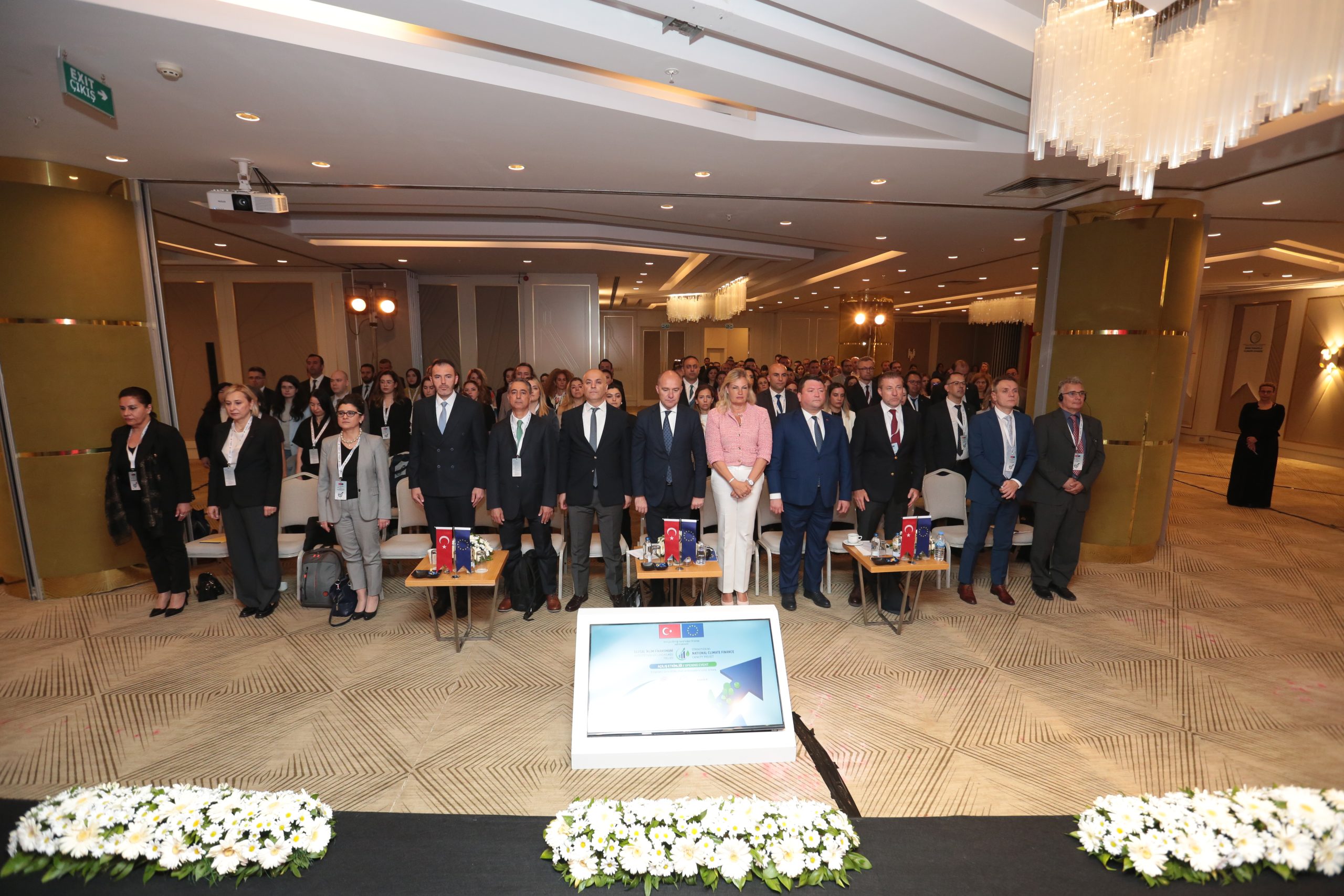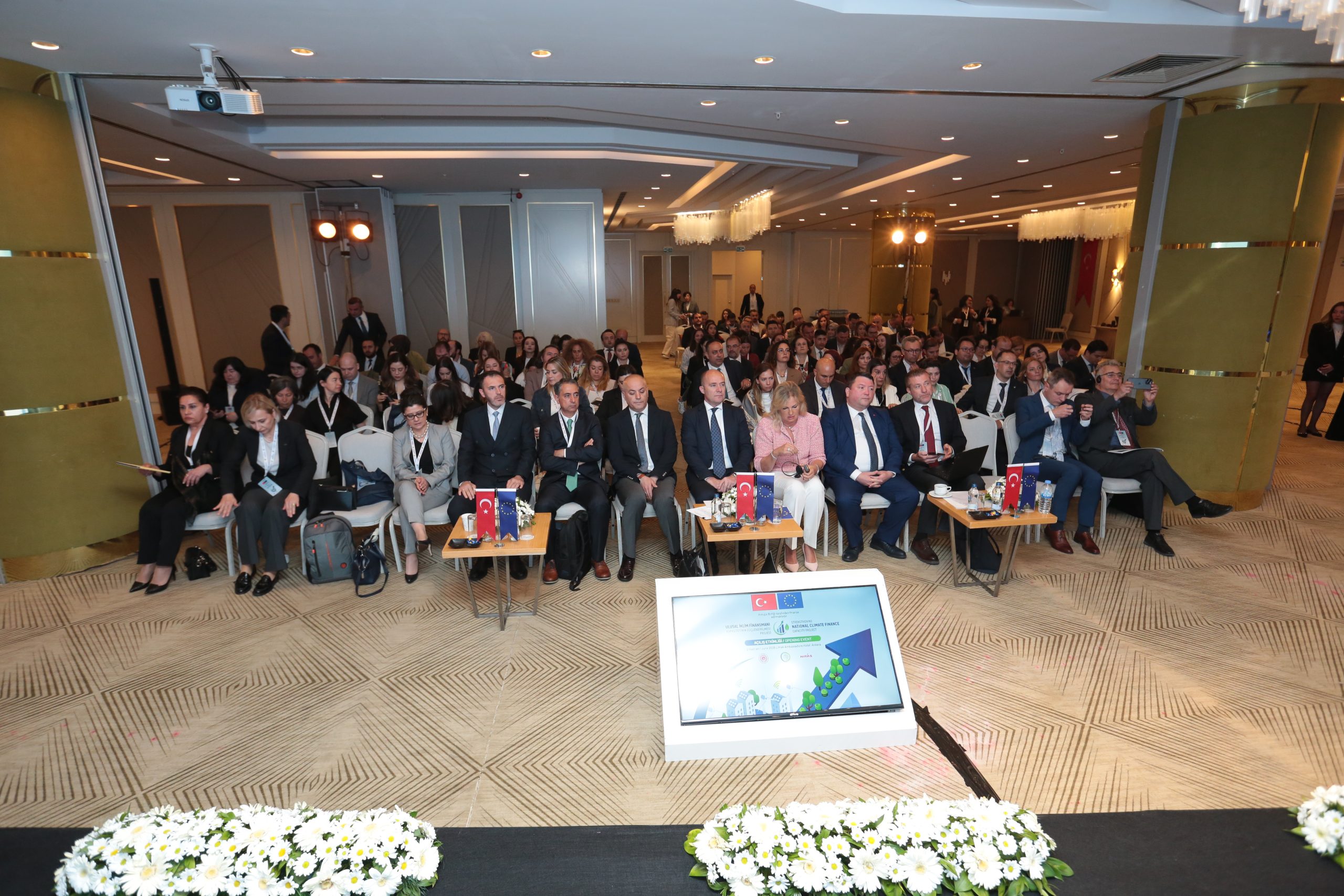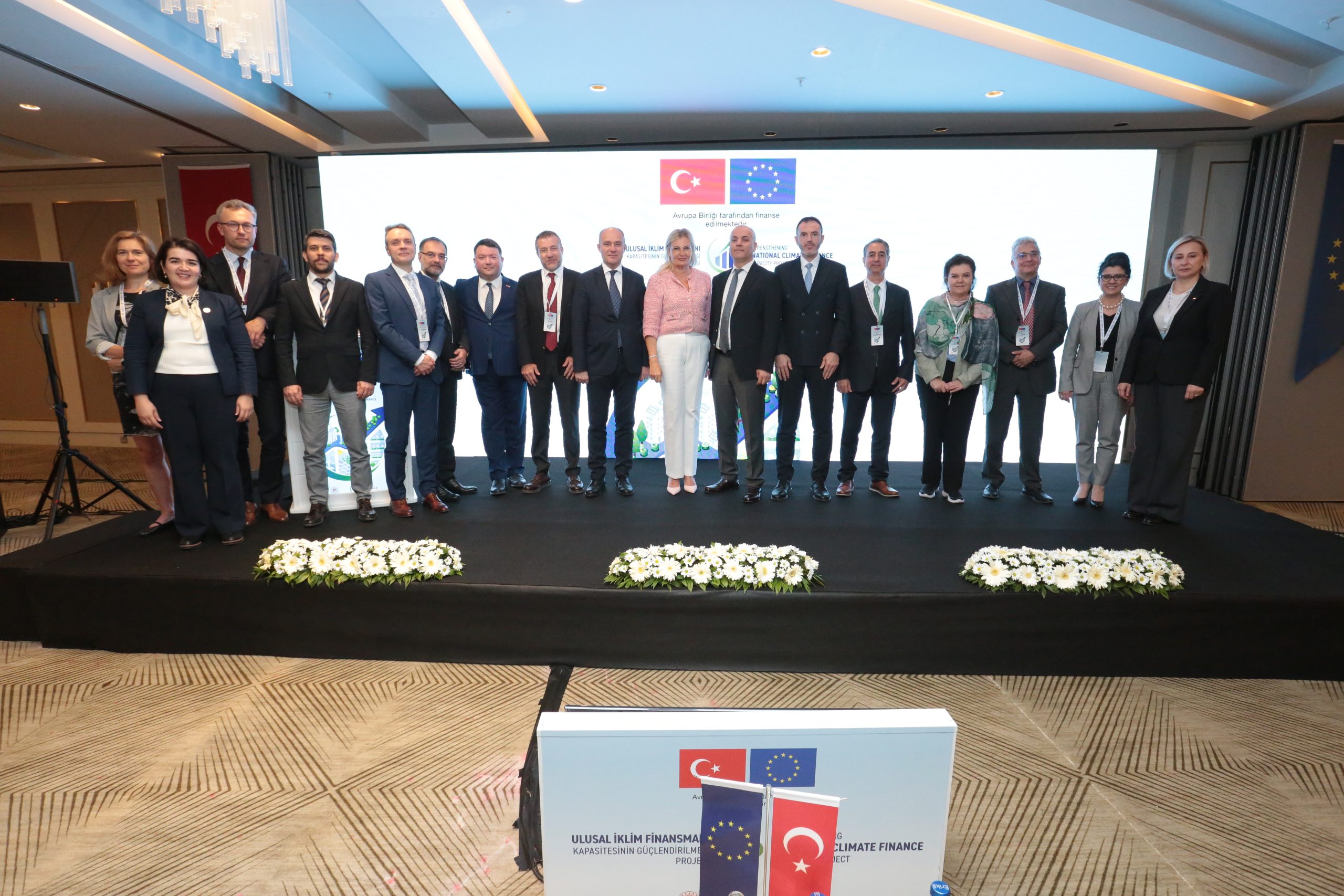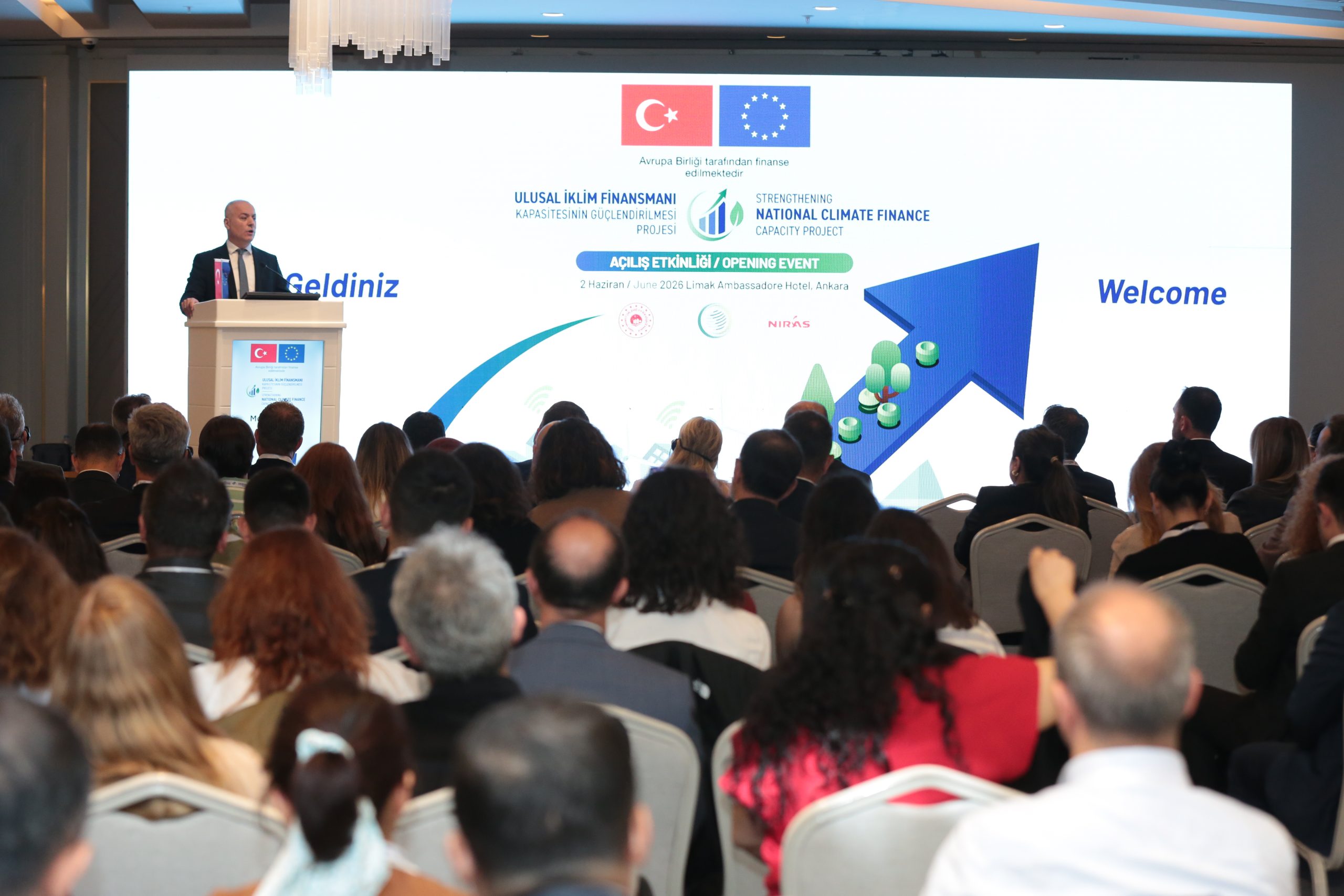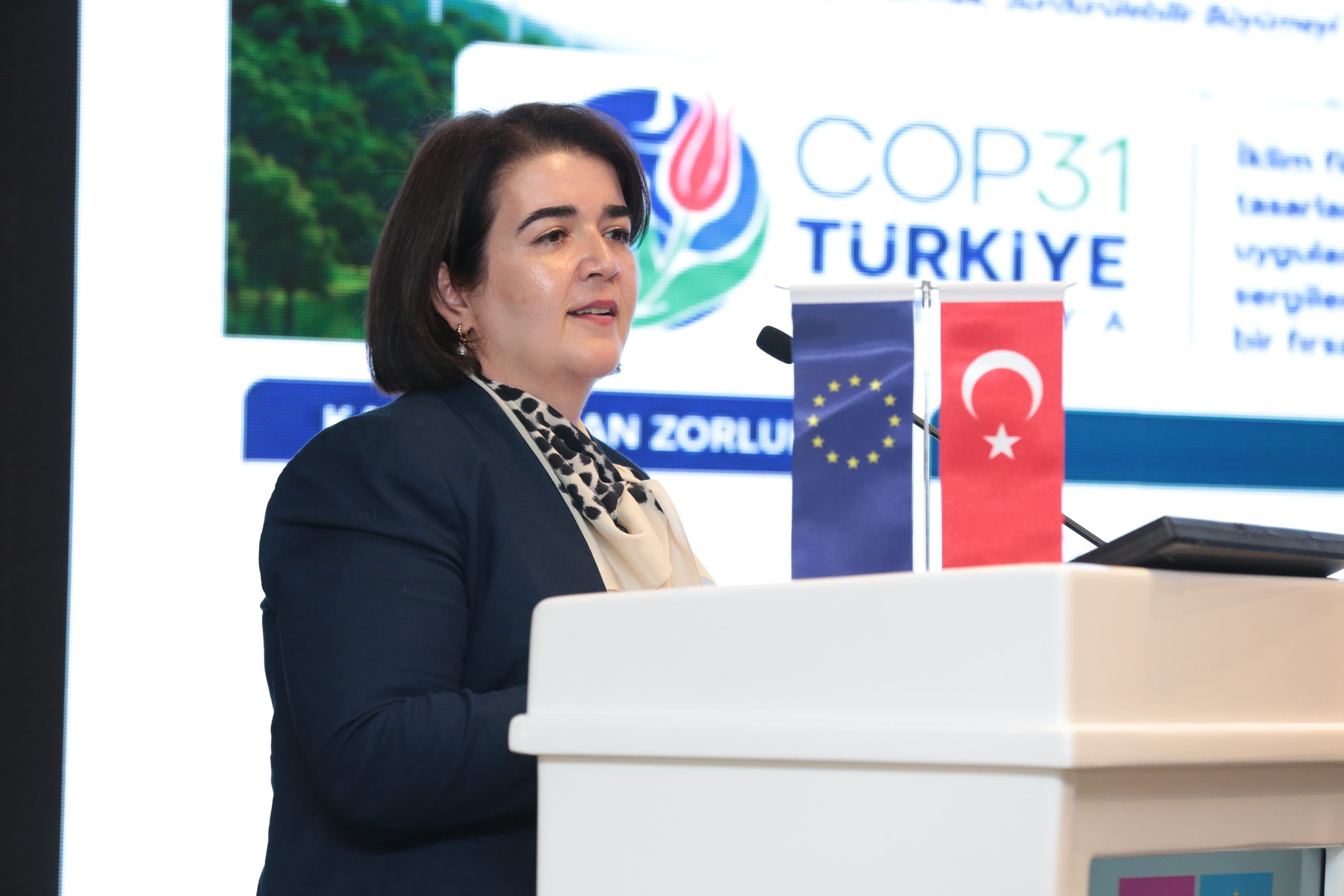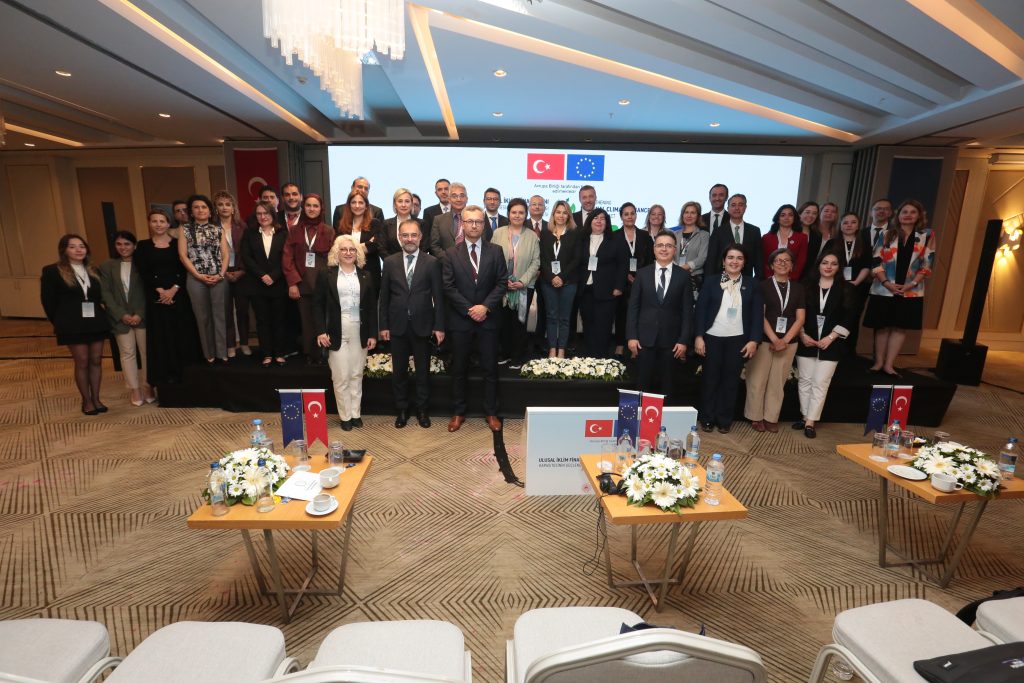
Ankara, June 2, 2026 – The launch ceremony for the “Project to Strengthen National Climate Finance Capacity,” a significant step toward developing a shared understanding of climate finance in Türkiye, strengthening coordination among stakeholders, and implementing climate investments more effectively, was held in Ankara on June 2, 2026.
Supported by the European Union and implemented by the Climate Change Directorate of the Ministry of Environment, Urbanization, and Climate Change, the Project will involve the preparation of a draft National Climate Finance Strategy and support the development of the National Green Taxonomy. The Project will also contribute to strengthening the green finance ecosystem, including regulatory frameworks, capital markets, and the participation of the financial sector.
Opening remarks at the event were delivered by Mehrali ECER, Deputy Director General of the Directorate General for Climate Change; Bülent ÖZCAN, General Director of Financial Cooperation and Project Implementation at the Directorate General for the European Union of the Ministry of Foreign Affairs; Assoc. Prof. Dr. İsmail Raci BAYER, Director of the Project Implementation Department at the Ministry of Environment, Urbanization, and Climate Change; Maria Luisa WYGANOWSKI, Head of the Cooperation Section at the EU Delegation to Türkiye; and Project Director Adam IWASZKO.
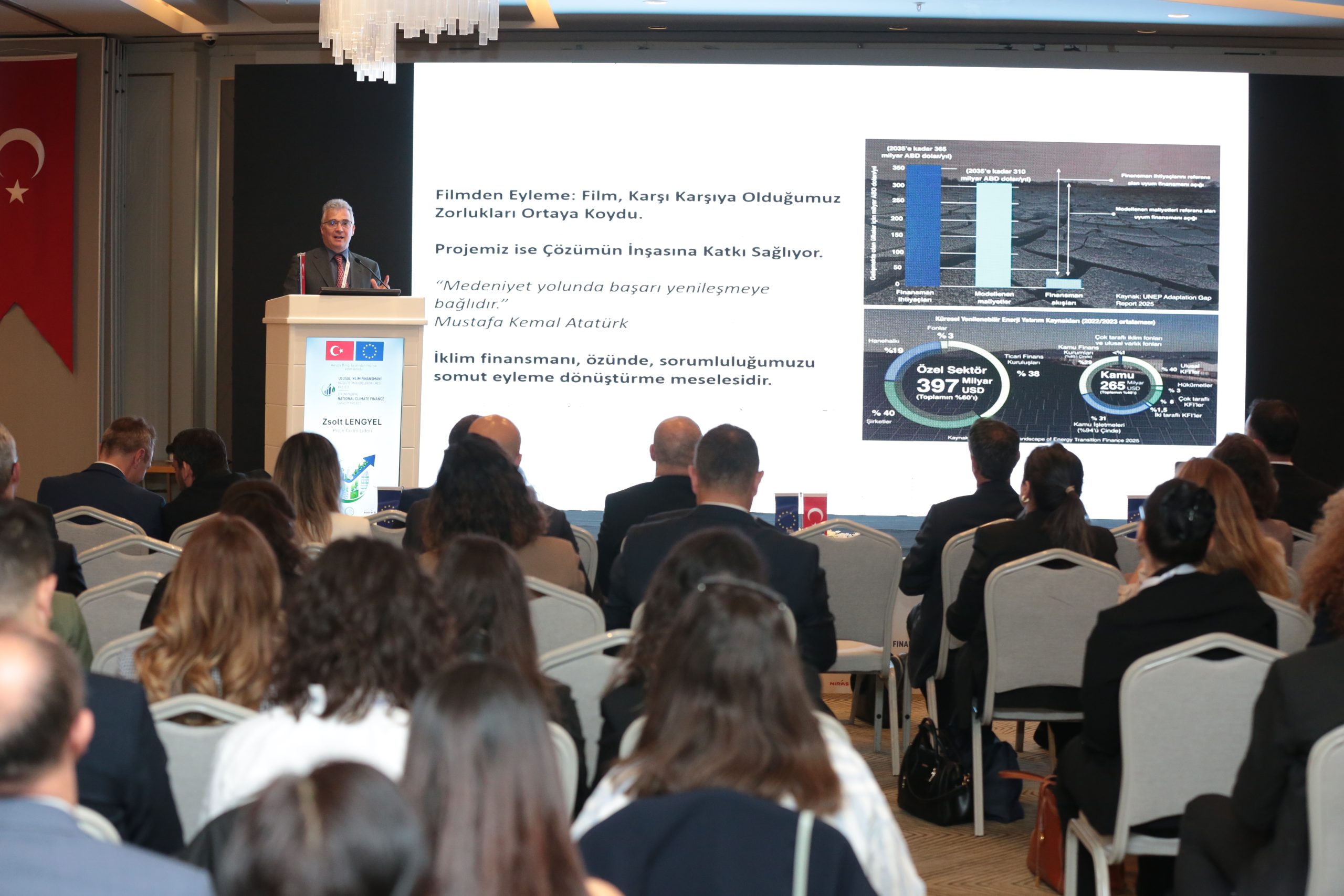
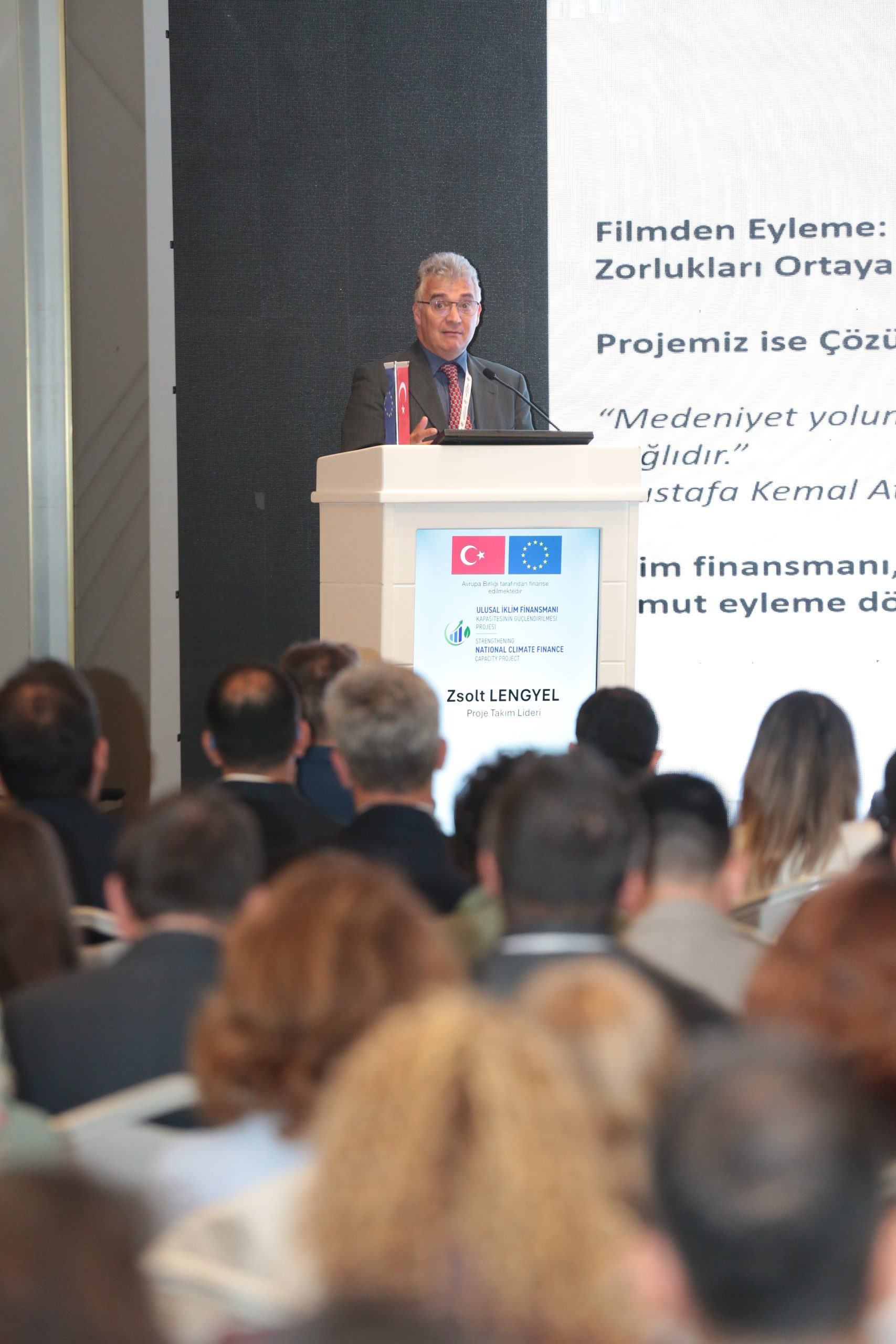
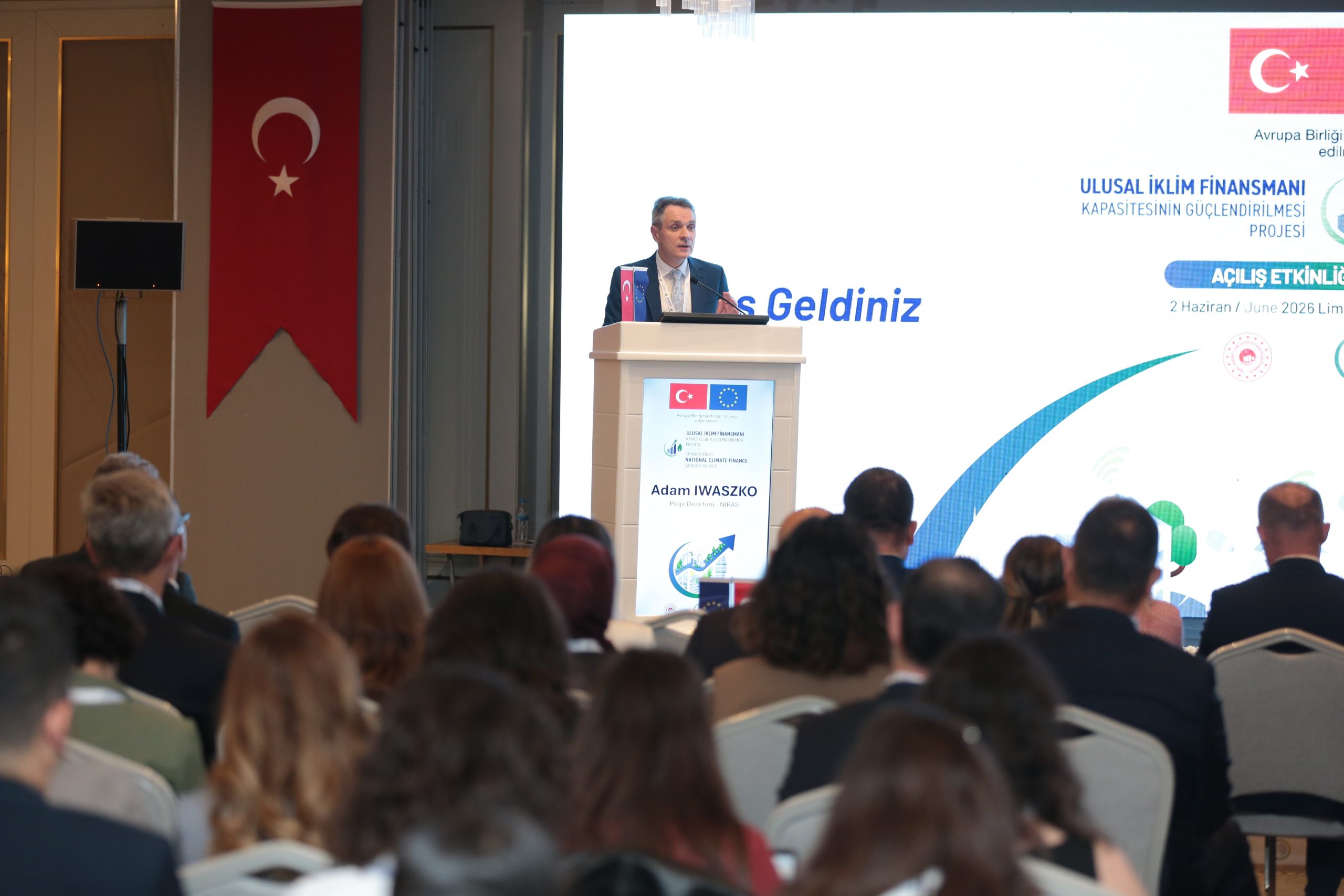
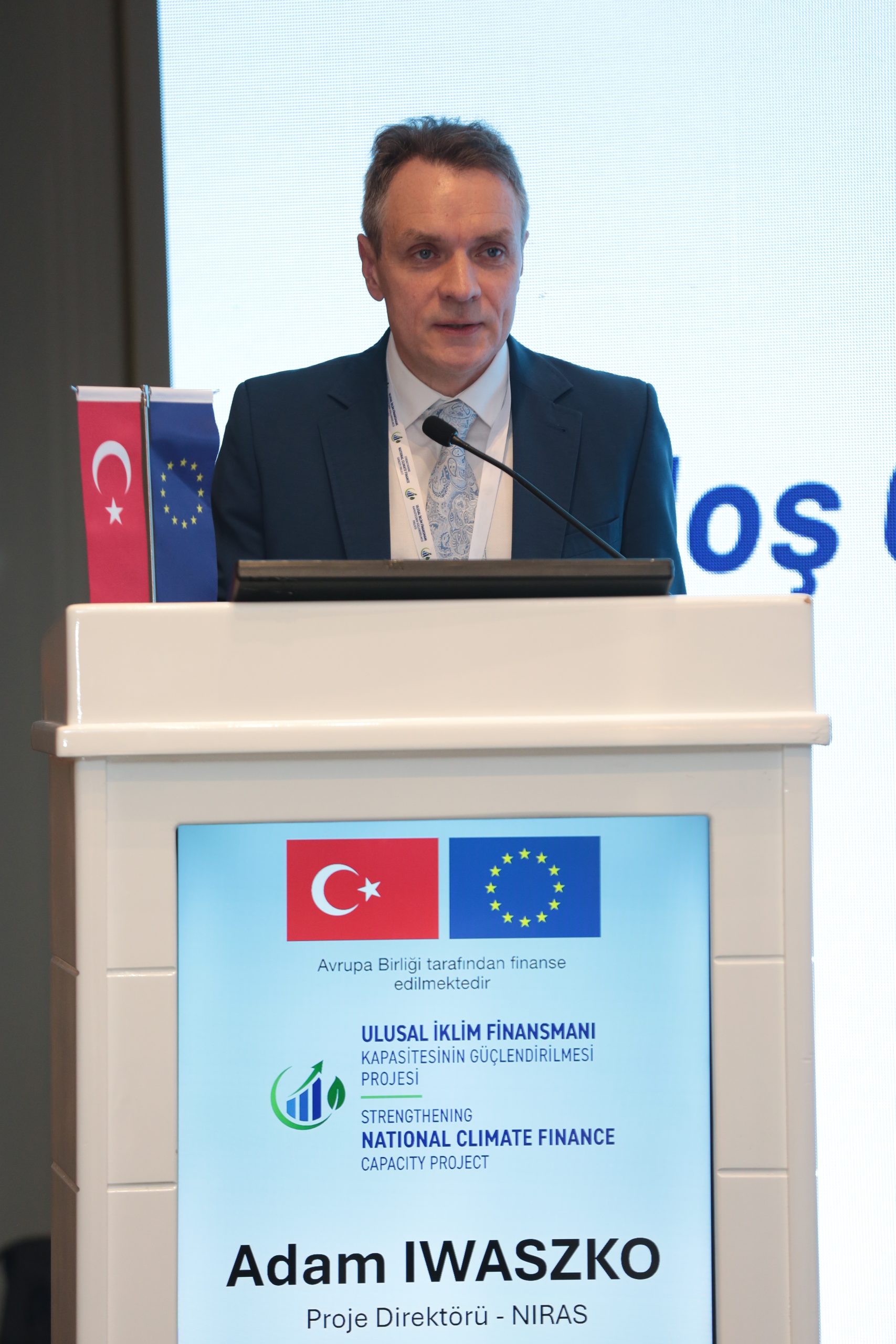
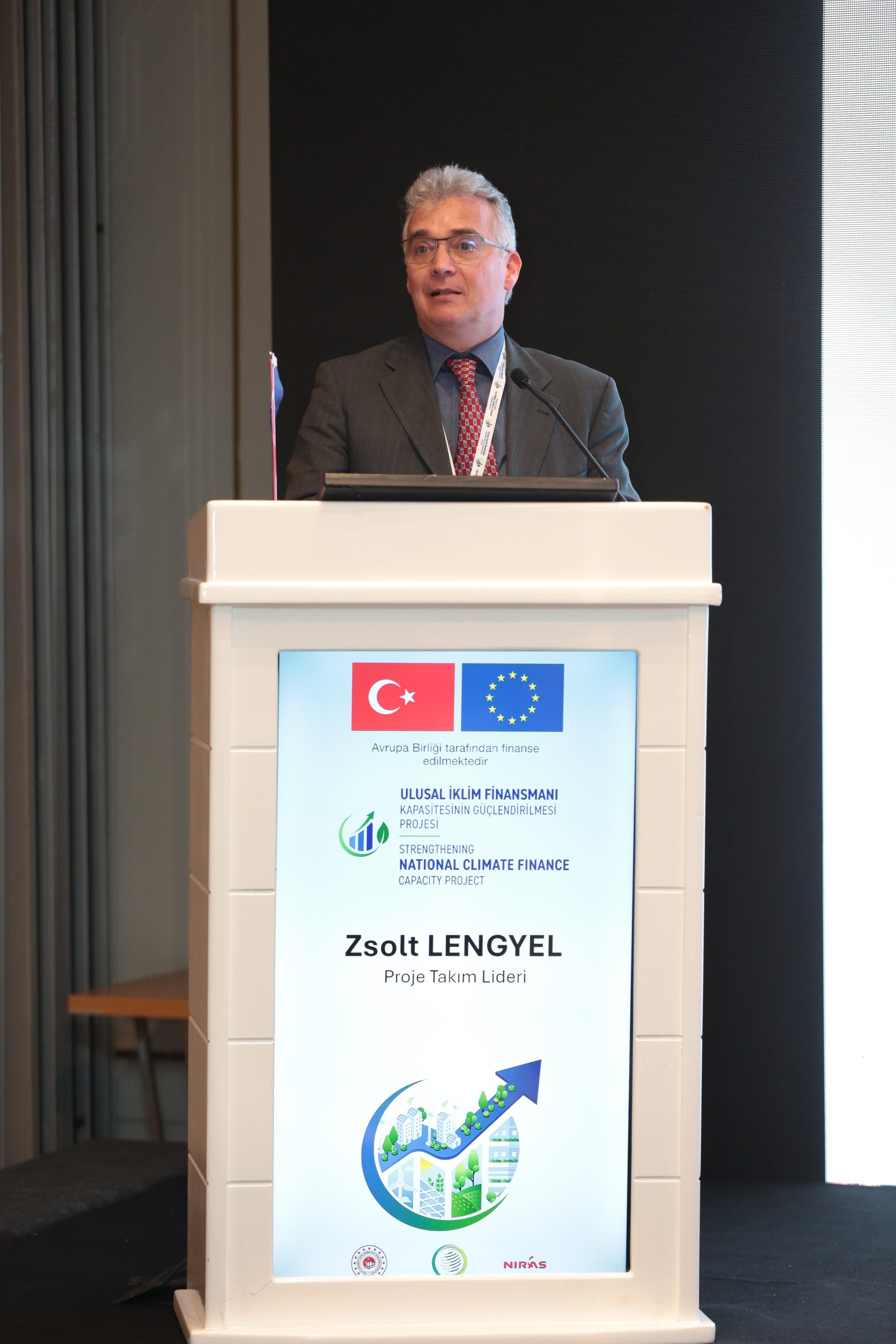
Project Director Adam IWASZKO stated that, within the scope of the National Climate Finance Capacity Building Project, they will work in close collaboration with the Directorate General for Climate Change, the Contracting Authority, the European Union Delegation to Türkiye, and relevant stakeholders over the next two years.
Noting that climate finance requires multi-stakeholder collaboration, IWASZKO noted that the consortium led by NIRAS will bring together national and international expertise to support investment mobilization on Türkiye’s path toward resilient, competitive, and low-emission development.
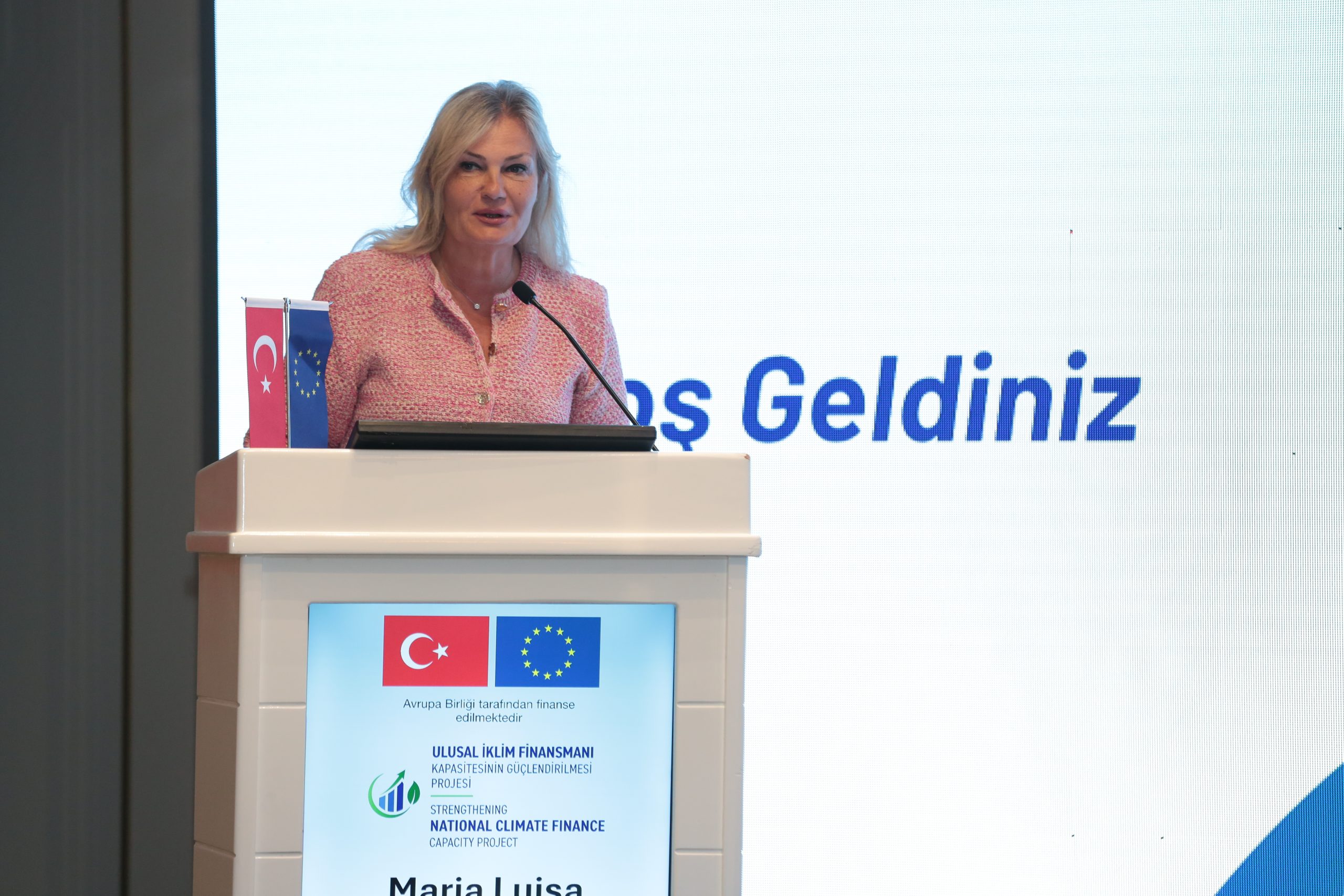
Maria Luisa WYGANOWSKI, Head of the Cooperation Section at the EU Delegation to Türkiye, highlighted the importance of the European Union’s support for Türkiye in the field of climate finance. She noted that current and planned EU programs cover areas such as the green transition, local climate action, clean energy, climate data systems, carbon tracking, sustainable finance, and technical support. It was emphasized that the National Climate Finance Capacity Building Project, implemented with EU support, will contribute to transforming Türkiye’s climate goals into concrete investments, preparing the national green taxonomy, and establishing a reliable climate finance framework.
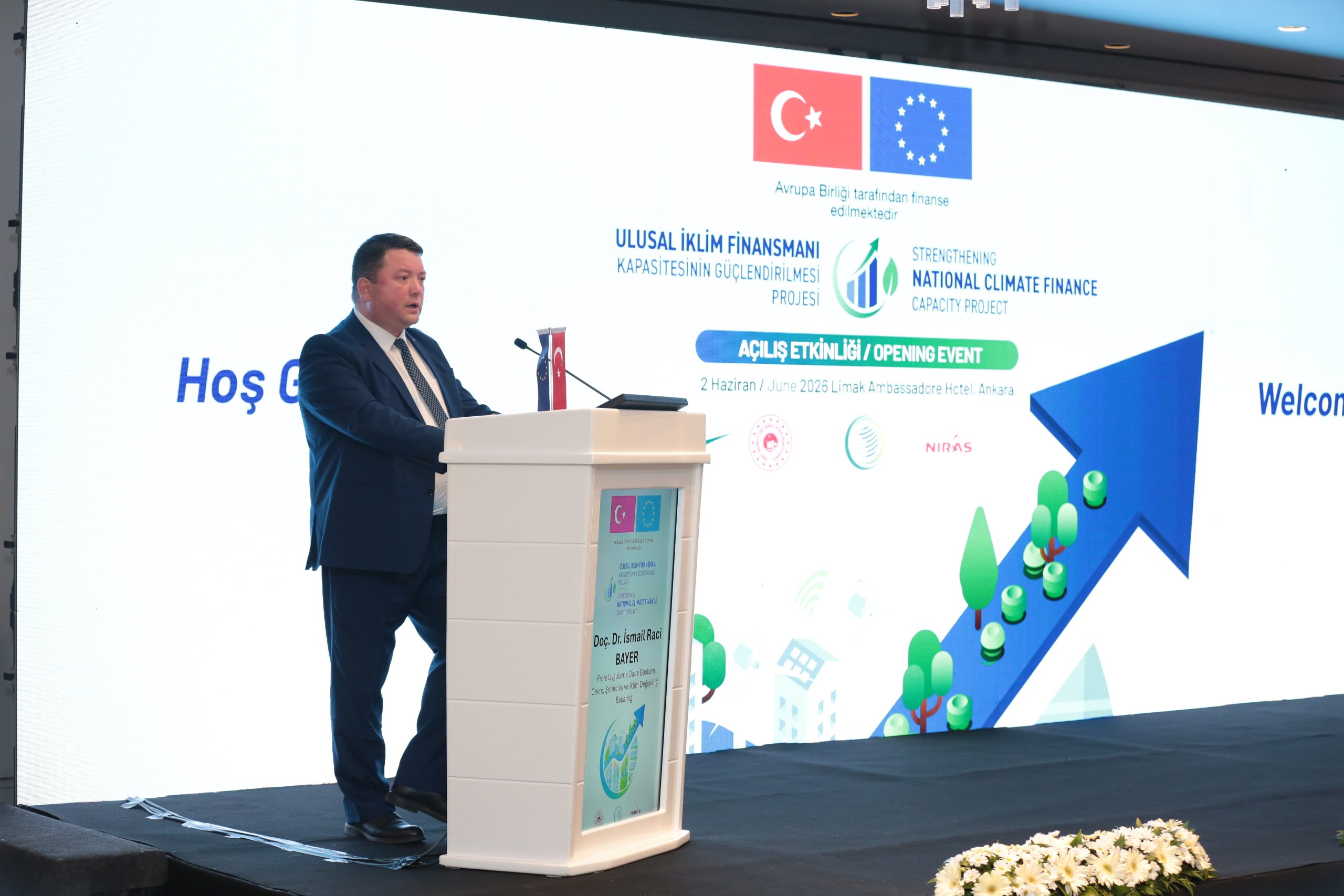
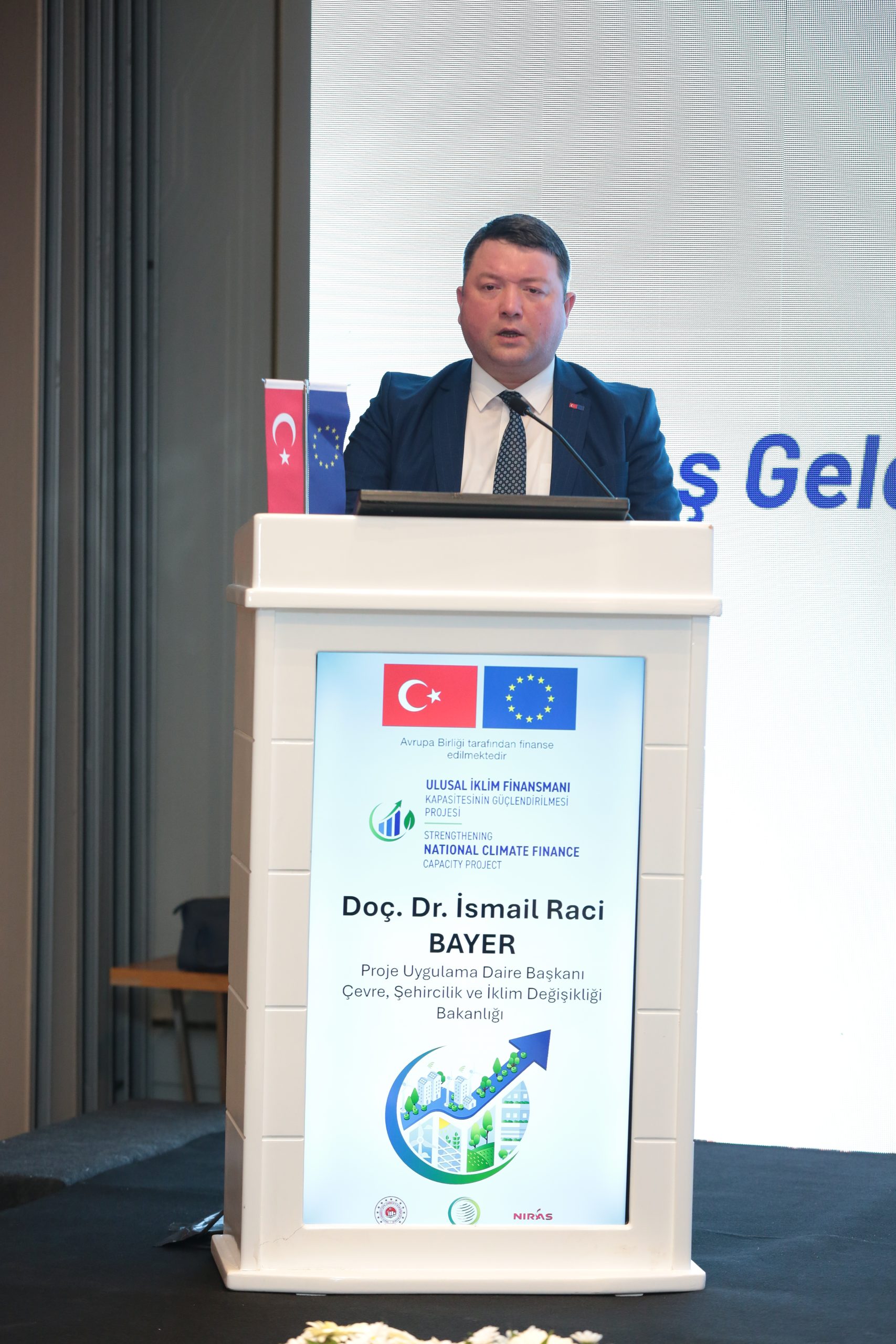
Assoc. Prof. Dr. İsmail Raci BAYER, Director of the Project Implementation Department at the Ministry of Environment, Urbanization, and Climate Change, began his speech by sharing information on the project budget and implementation, and provided details on projects carried out during the IPA I and II periods. He noted that under IPA III, covering the 2021–2027 programming period, agreements have been reached with the European Union on 21 technical support projects with a total budget of 93 million euros to date. He emphasized that one of these projects, the National Climate Finance Capacity Building Project, is expected to make a significant contribution to Türkiye’s efforts in combating climate change, green transition, and sustainable finance.
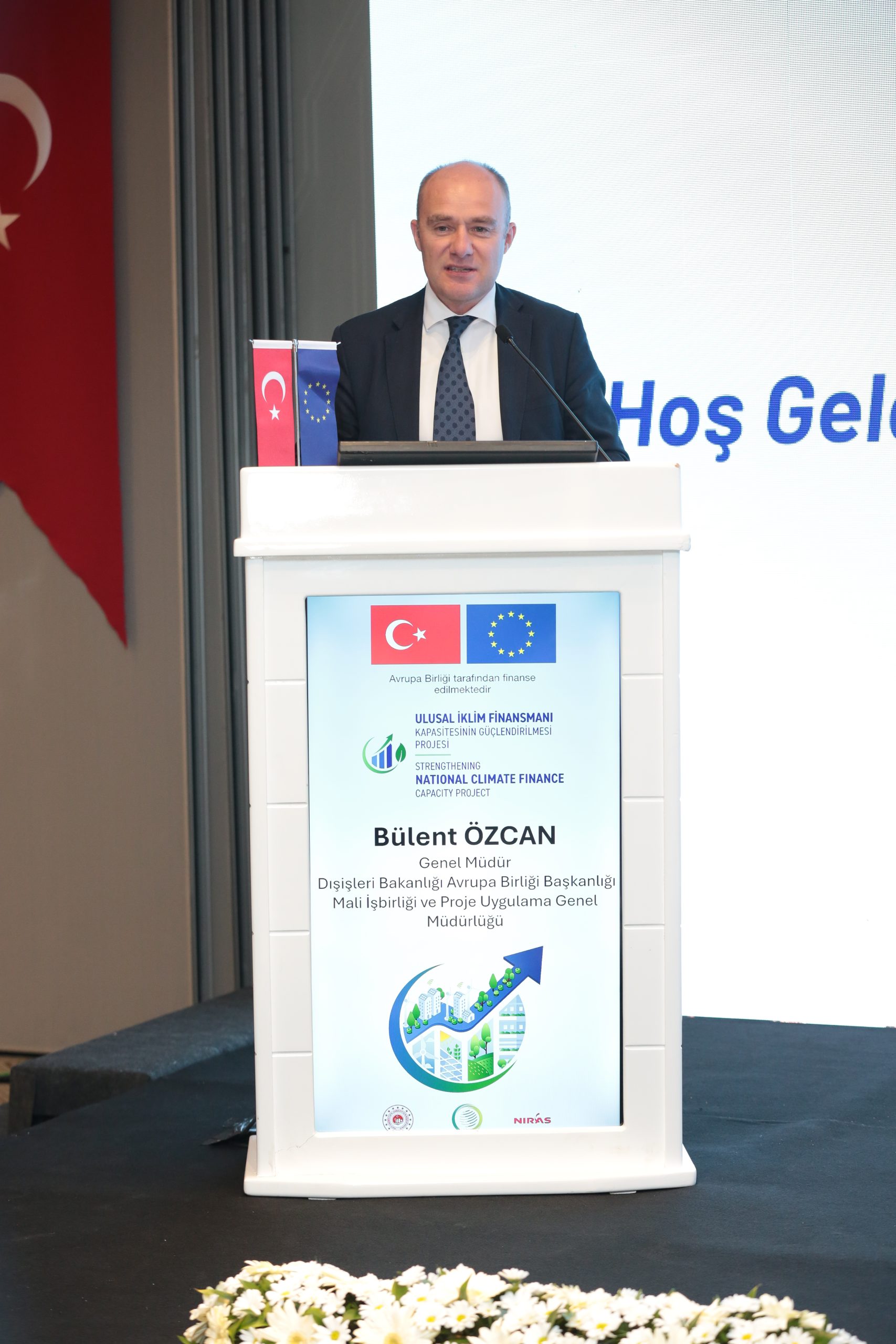
In his speech, Bülent ÖZCAN, Director General of Financial Cooperation and Project Implementation at the Ministry of Foreign Affairs’ Directorate General for the European Union, highlighted that climate change has become one of the most important areas of cooperation in Türkiye-EU relations. He noted that technical issues in this field can be addressed jointly and that concrete progress can be achieved.
Highlighting that financing is of critical importance for translating policy-level progress into action, Mr. ÖZCAN stated, “Implementation is not possible without financing. Therefore, the Project to Strengthen National Climate Finance Capacity will be one of the key projects in terms of developing climate finance and supporting the implementation of the Climate Law.”
Noting that the added value created by the project will not be limited to its own budget, he noted that the project will also offer significant opportunities in terms of securing additional financing, co-financing, and the development of various financial instruments.
Bülent ÖZCAN noted that during the 2028–2034 period, blended finance mechanisms combining grants and loans, investment vehicles, models requiring financial engineering, and a structure involving greater participation from banks, investment banks, international financial institutions, and national financial actors will gain importance. He stated that the project will play a strategic role in preparing Türkiye for this new financing architecture.
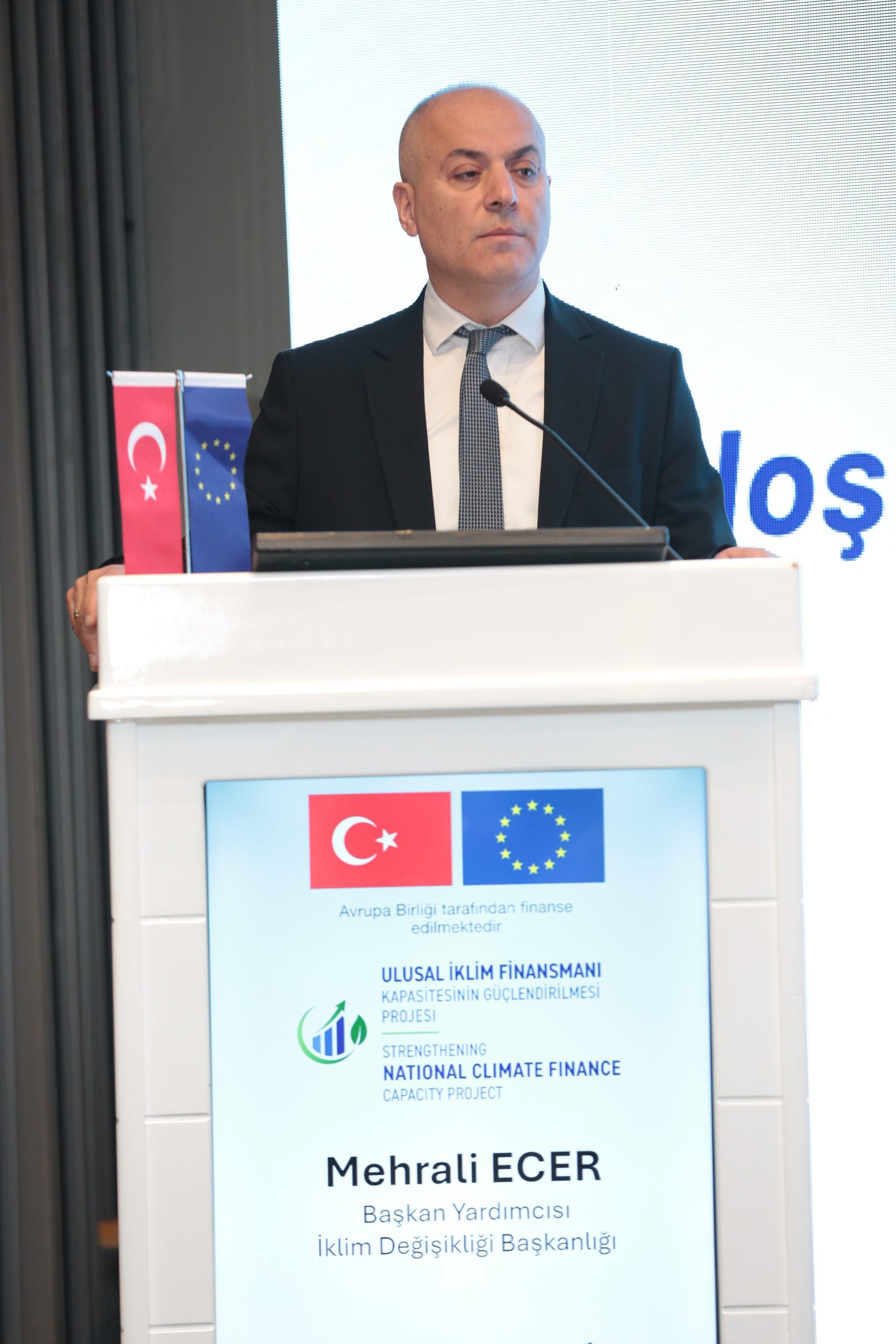
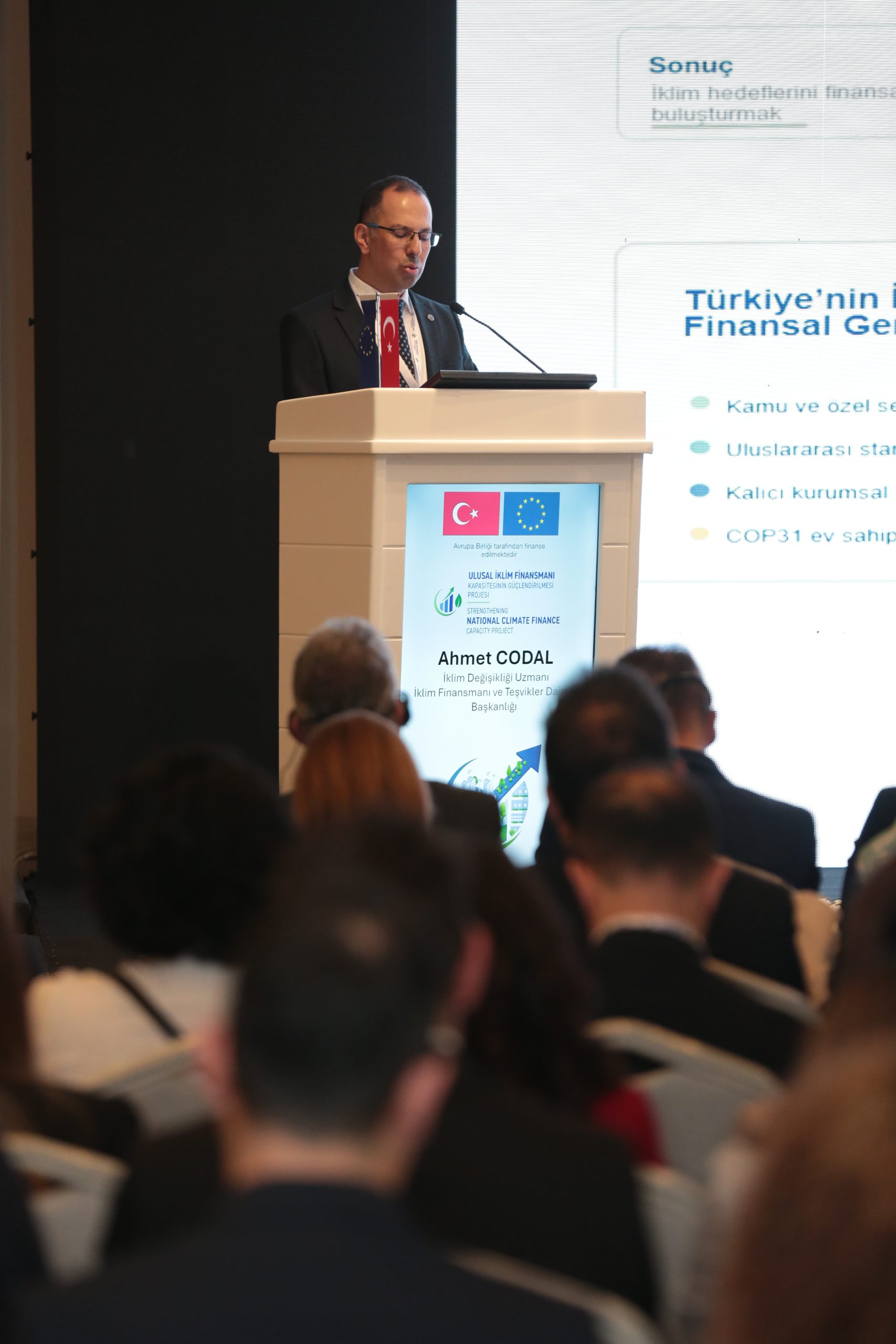
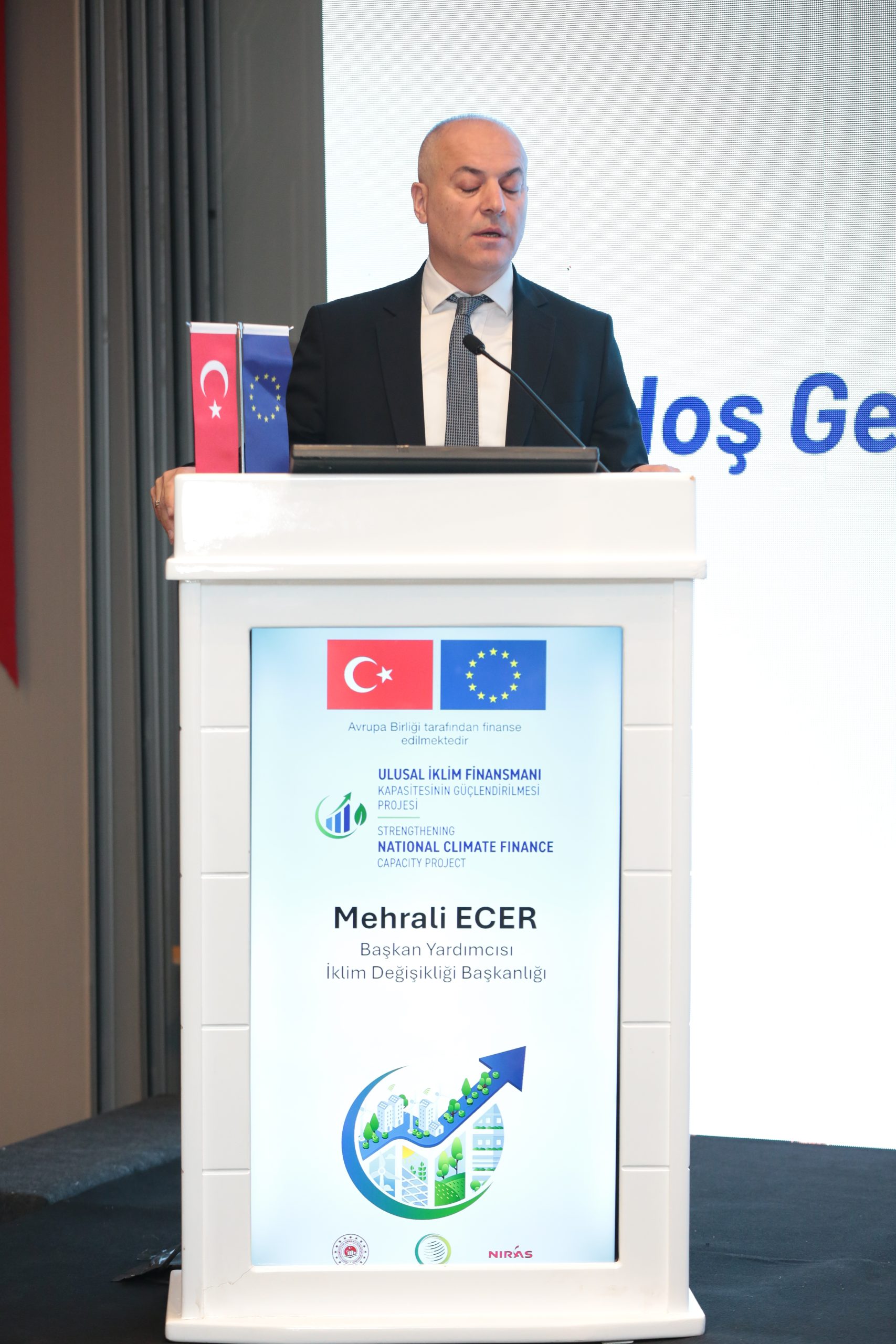
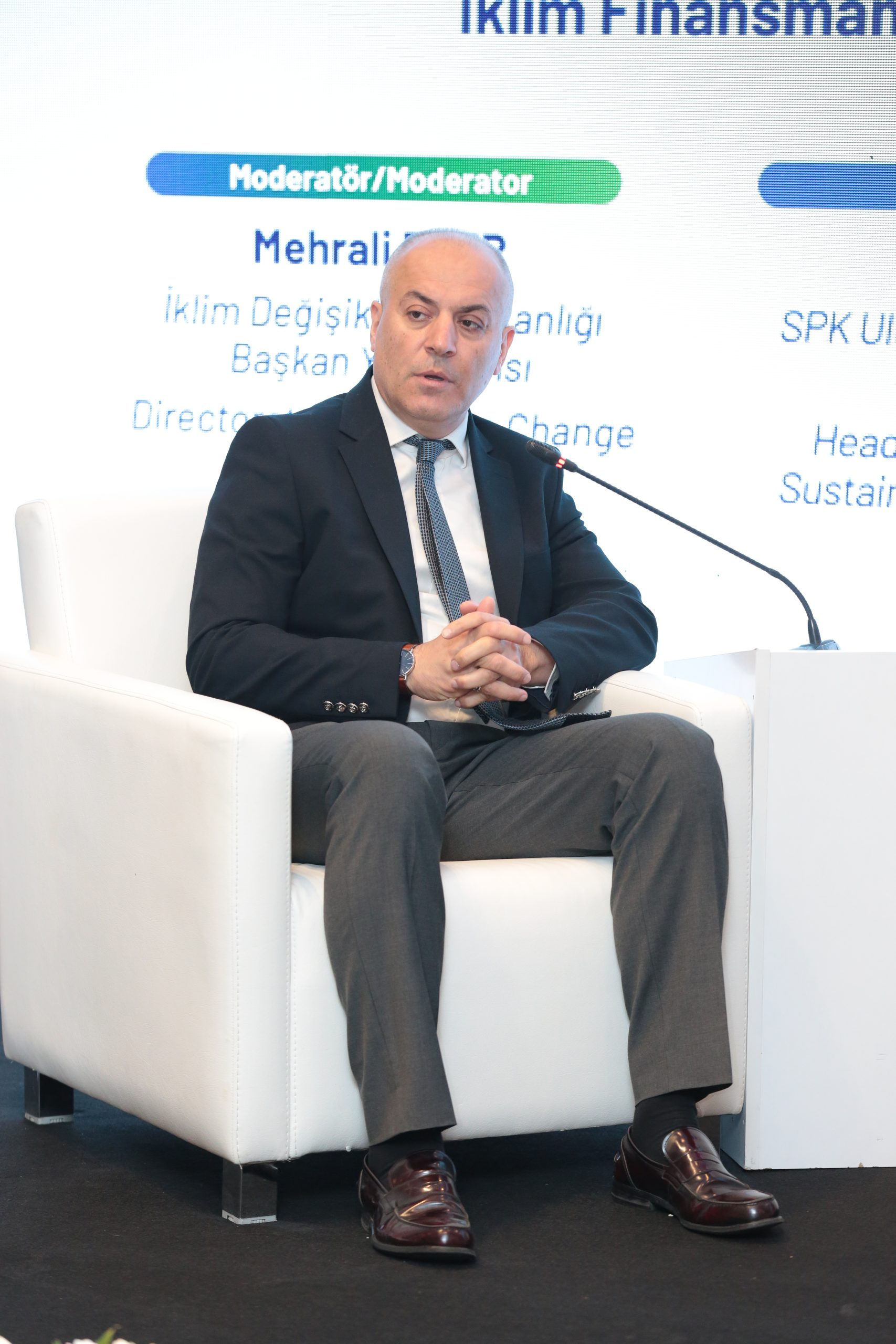
Mehrali ECER, Deputy Head of the Climate Change Presidency, emphasized in his speech that significant secondary regulations have been implemented following the Climate Law in line with Türkiye’s 2053 net-zero emissions target.
ECER noted that the Türkiye Green Taxonomy, adapted to Turkish conditions based on the European Union Green Taxonomy, has been prepared and is in the process of being published. ECER also stated that the Turkish Emissions Trading System has entered the pilot implementation phase, noting that the revenue generated from the system is intended to be used in sectors requiring green transformation.
ECER noted that Local Climate Change Action Plans will create a robust project pipeline in the areas of mitigation and adaptation in every province, and stated that this project pipeline will make a significant contribution to accessing international climate finance sources. ECER also stated that regulations regarding carbon credits and voluntary carbon markets would strengthen Türkiye’s climate finance ecosystem.
Touching on the COP31 process, ECER noted that Türkiye aims to position this process as an “implementation COP,” emphasizing the importance of transforming climate finance commitments into concrete actions.
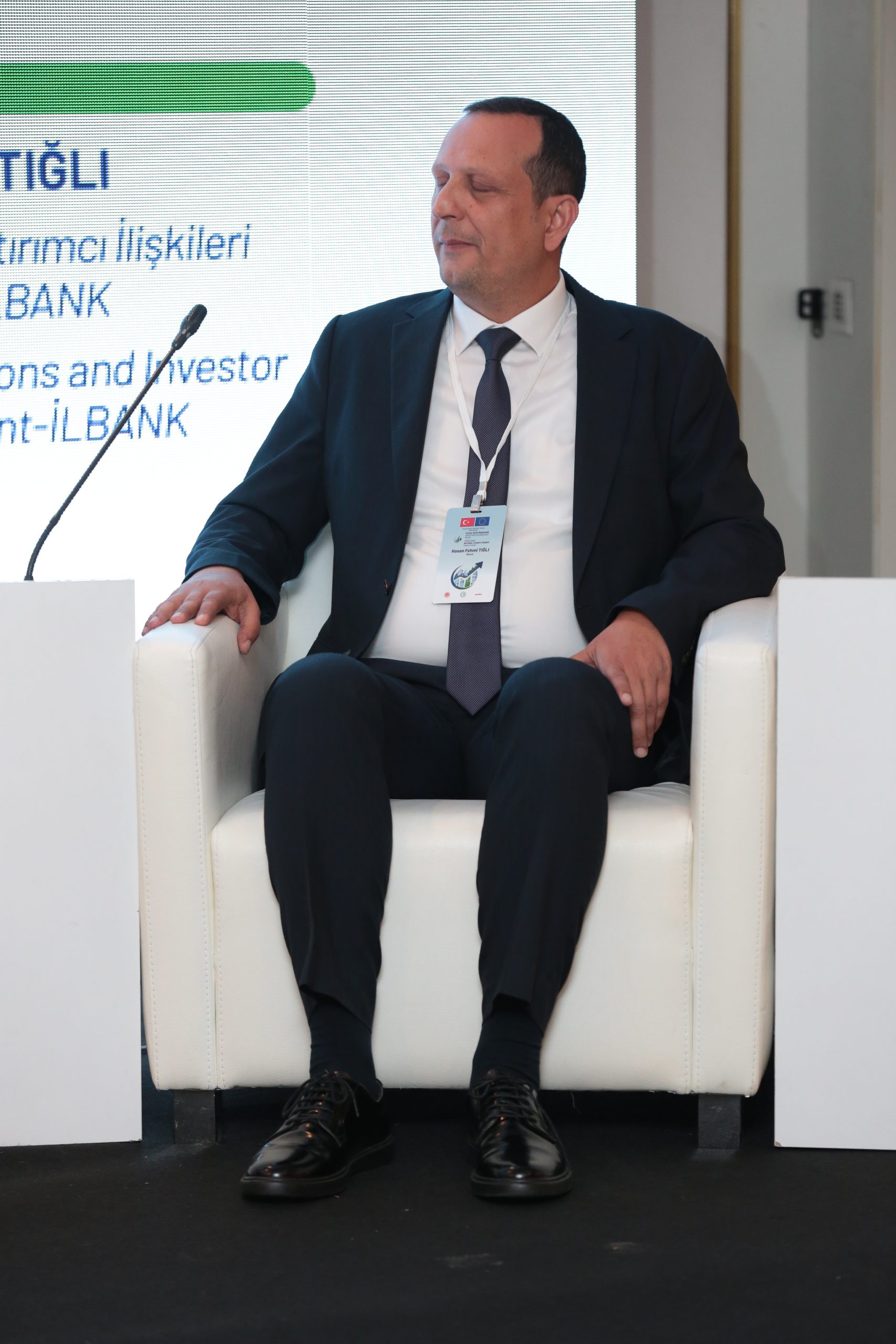
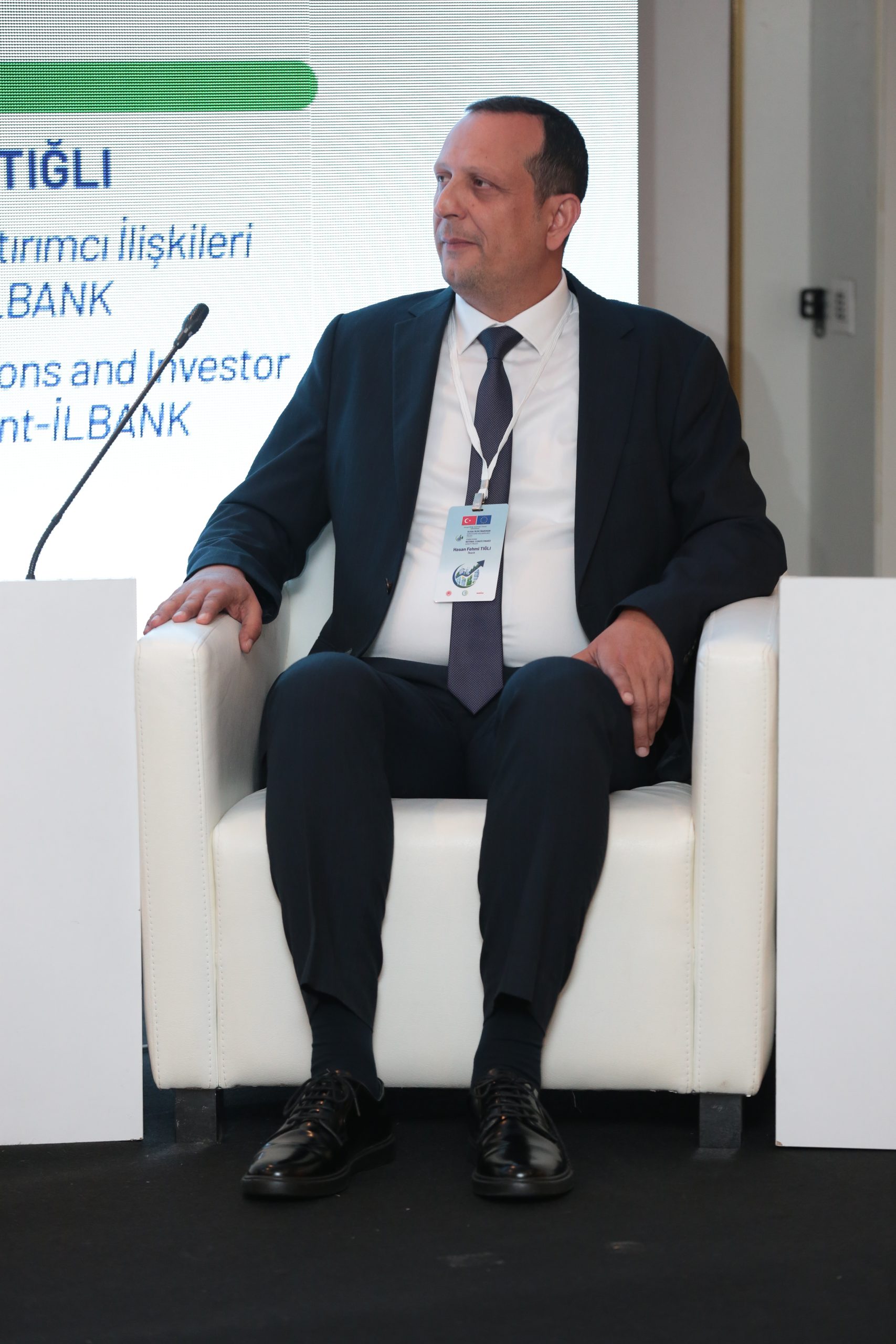
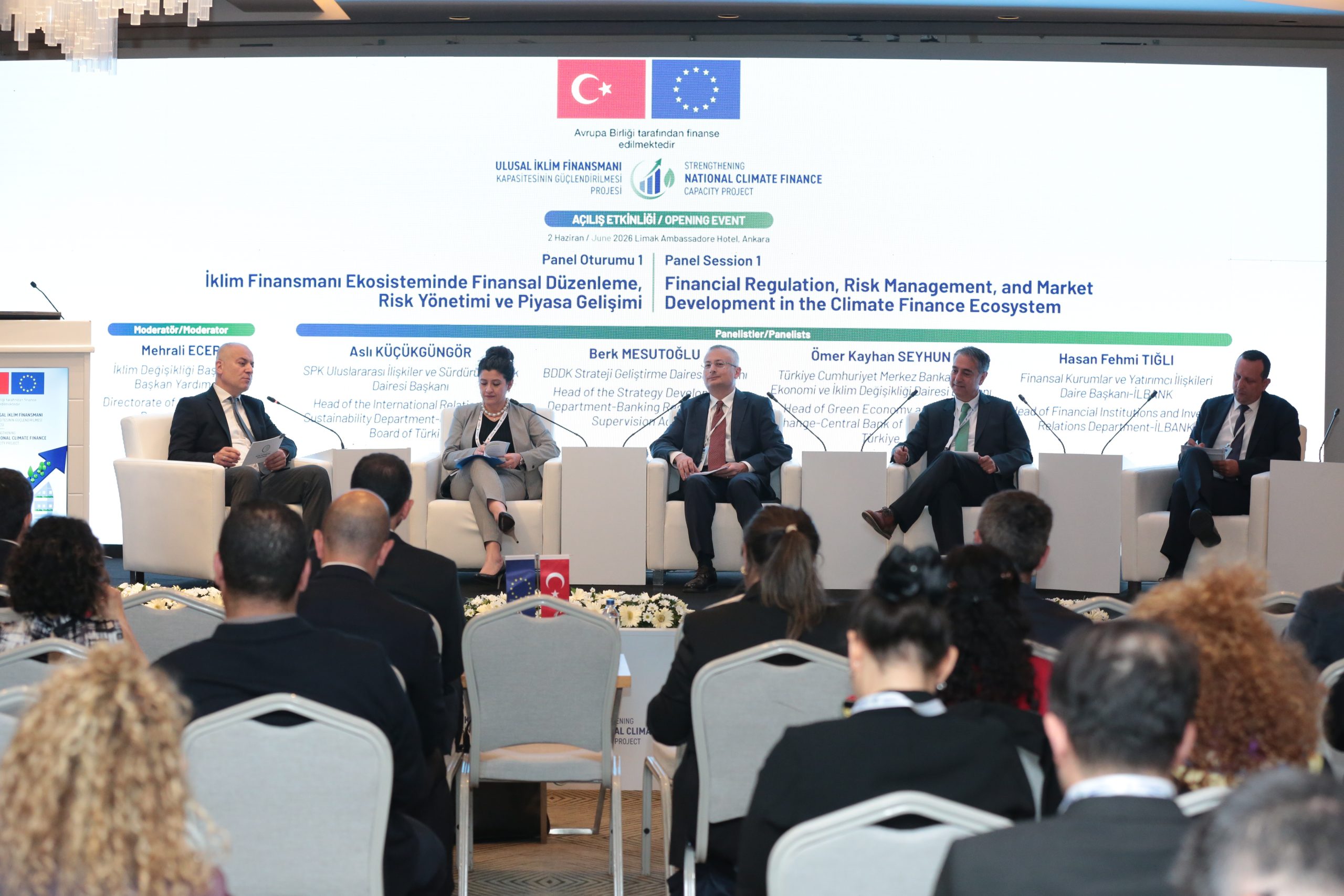
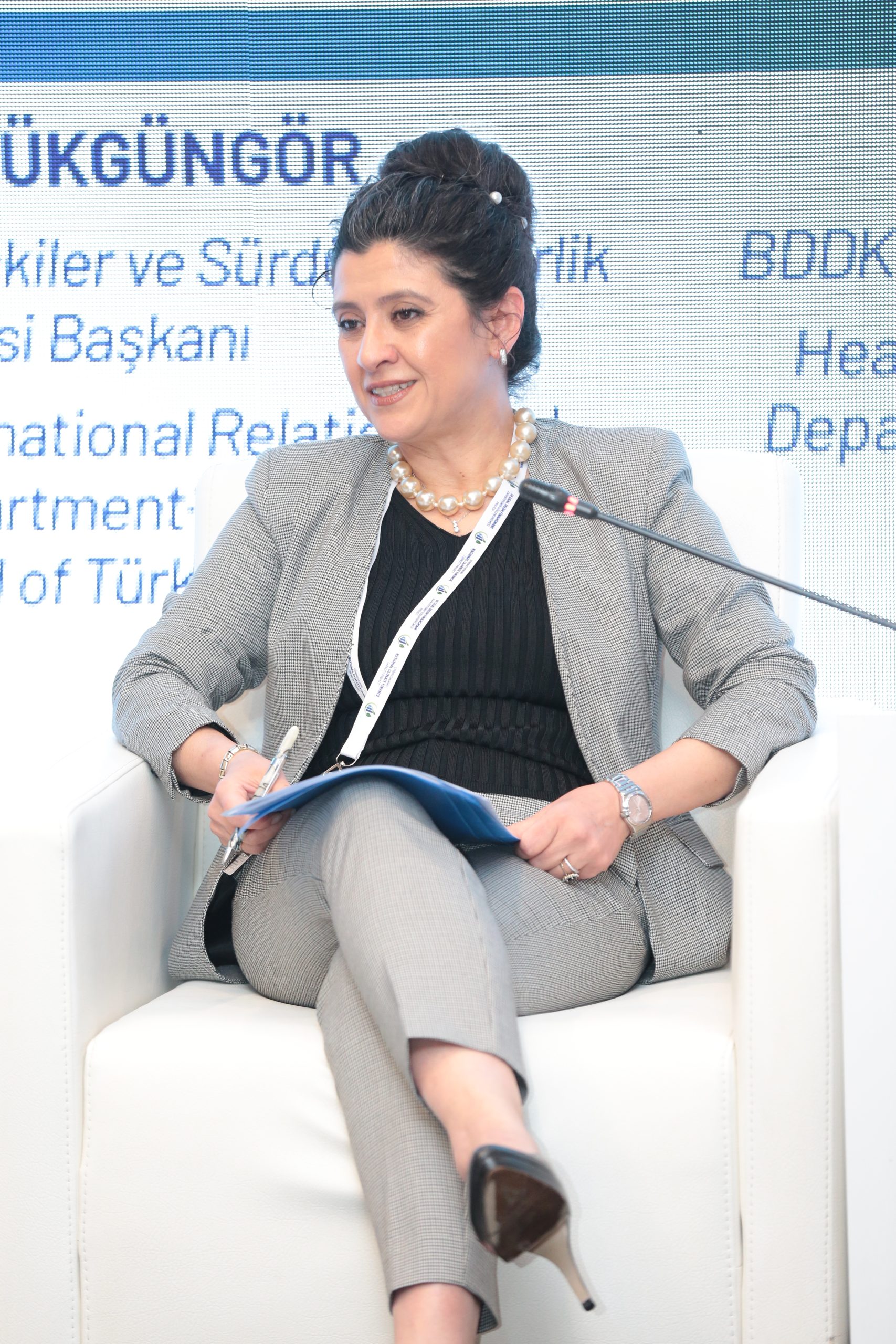
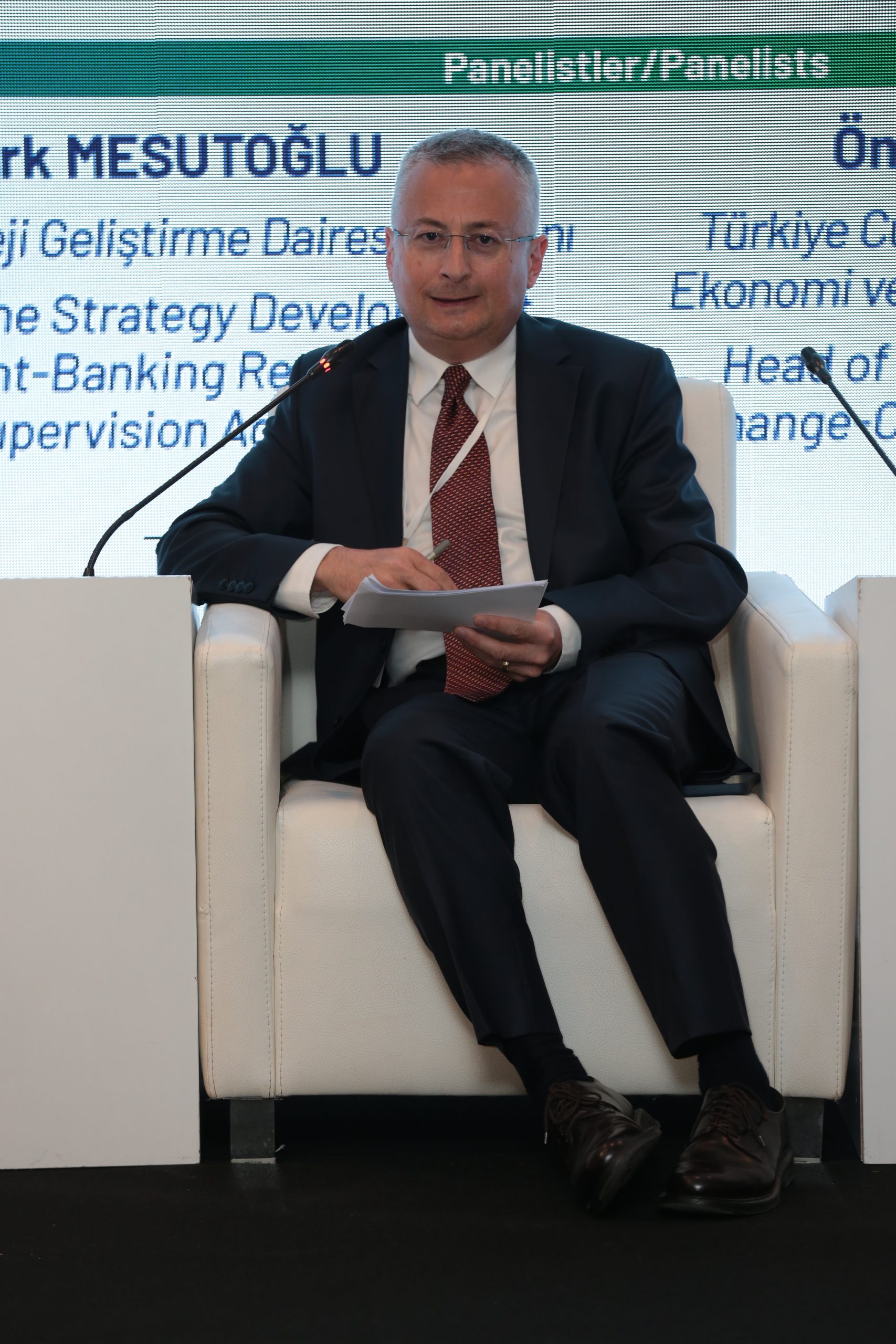
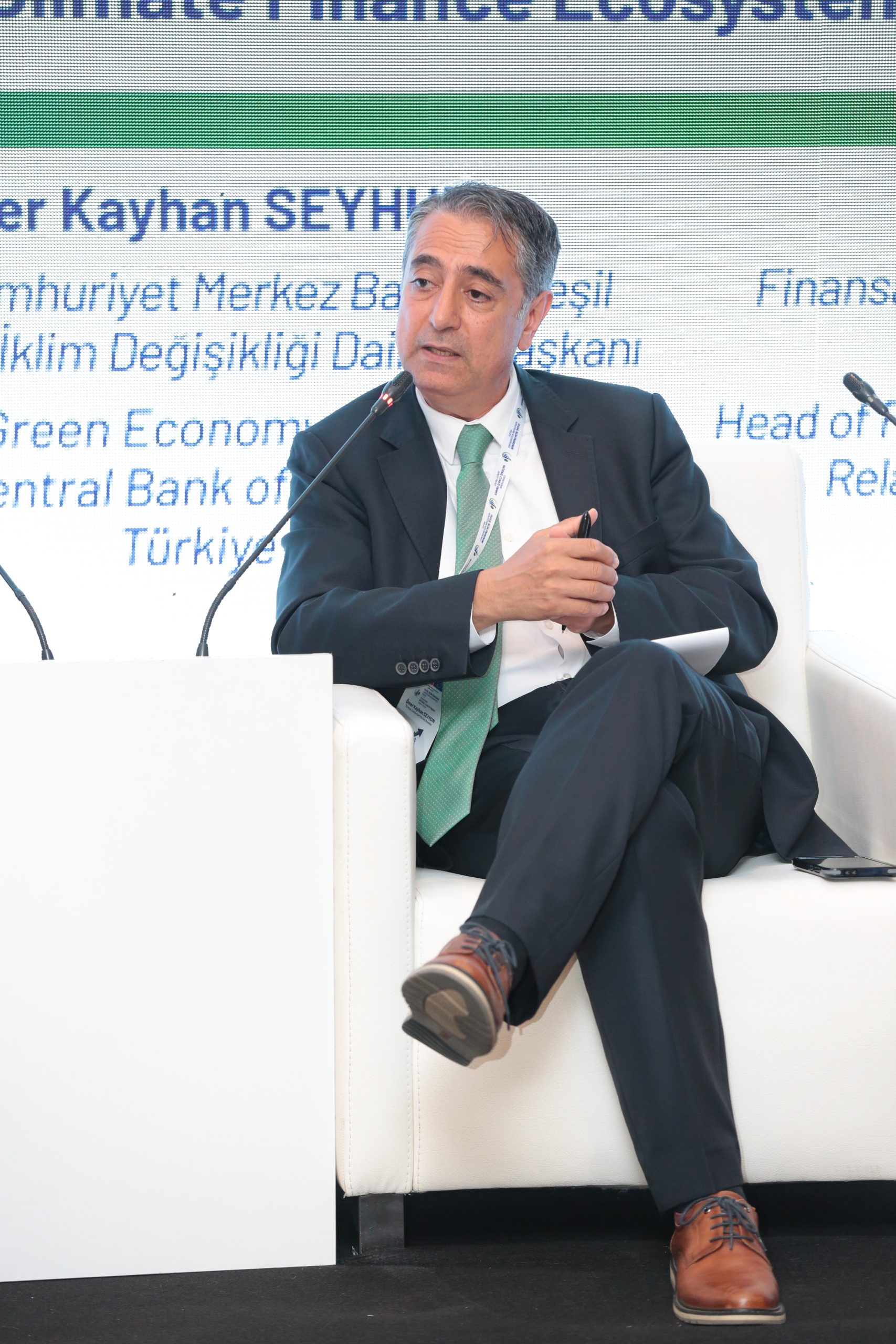
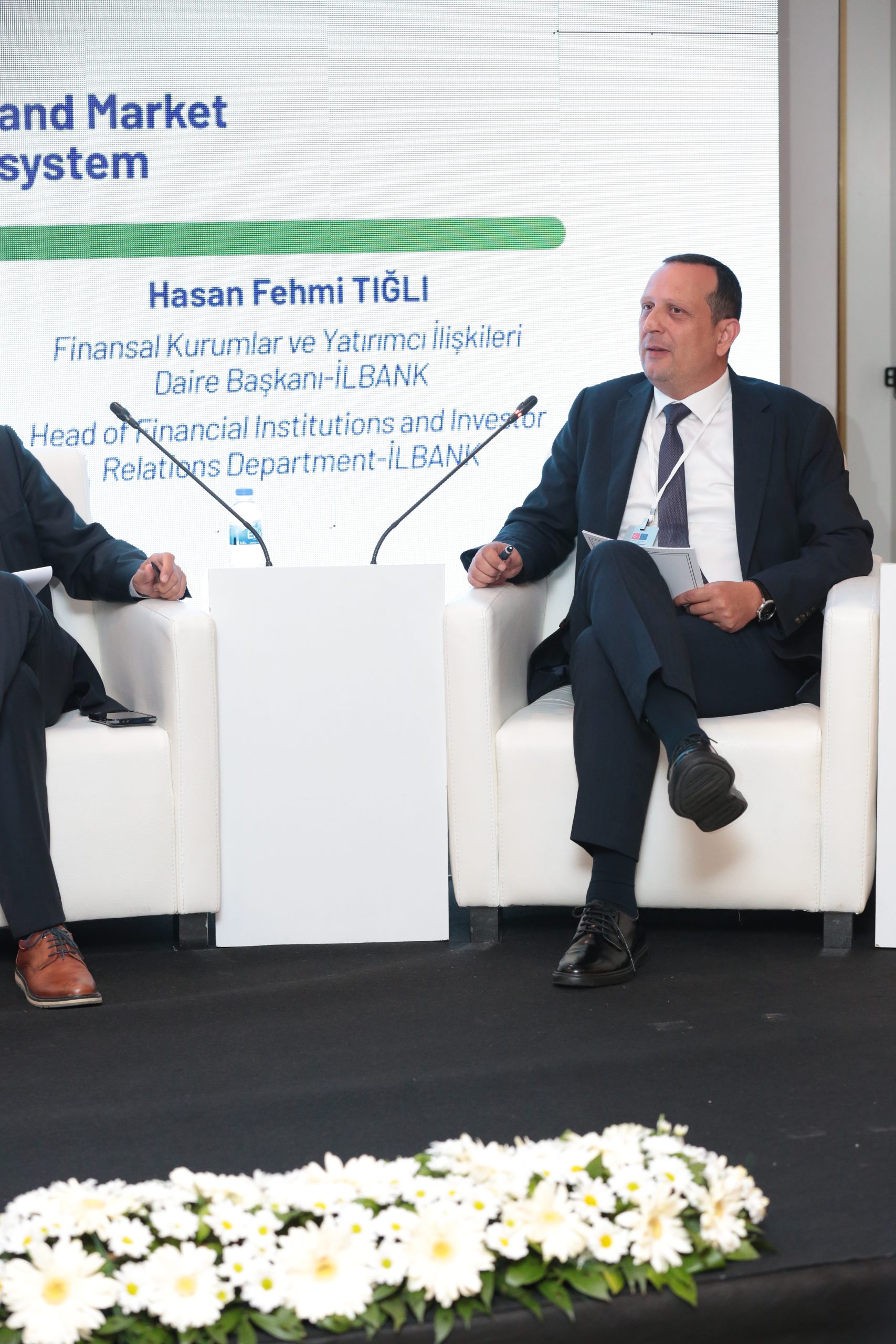
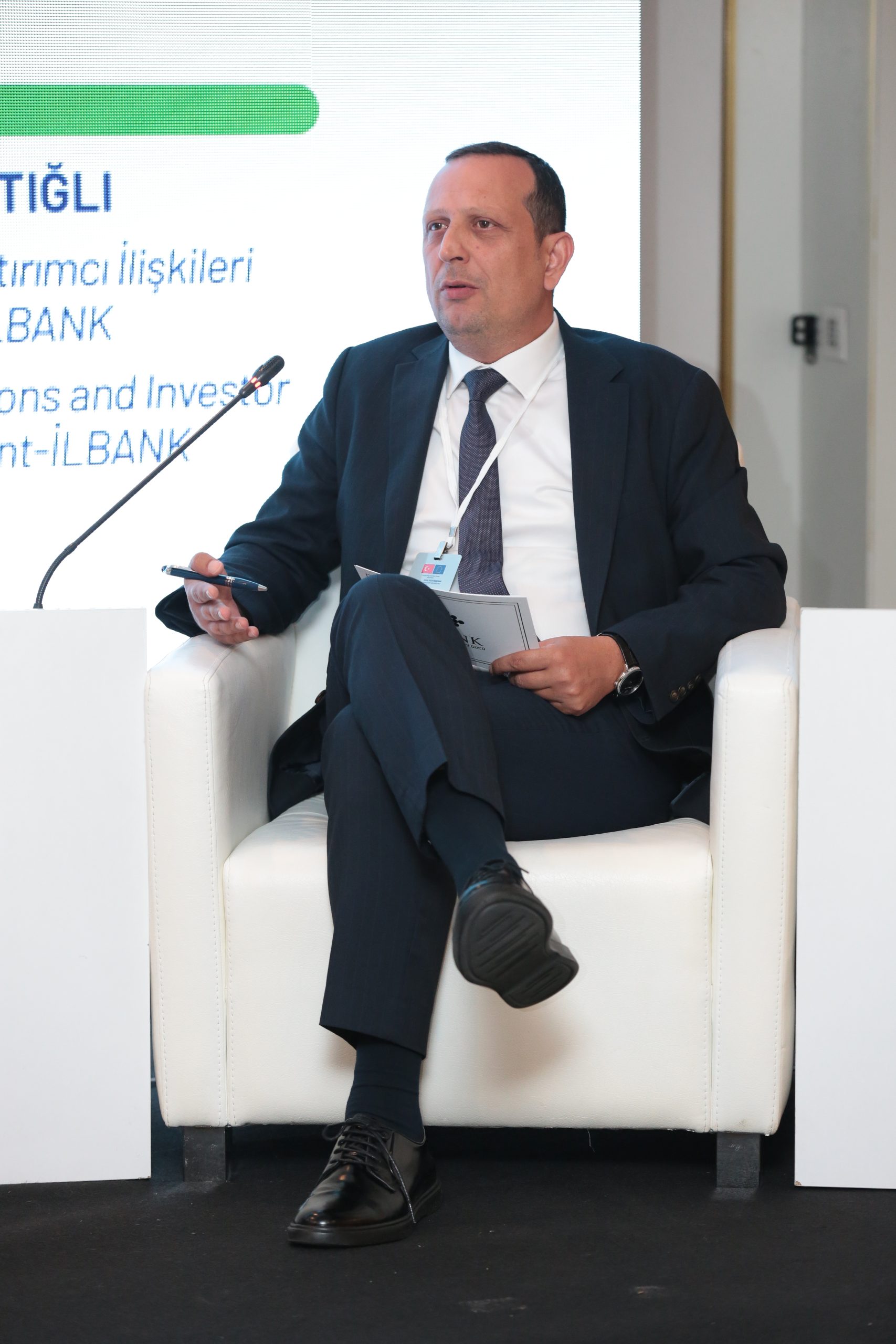
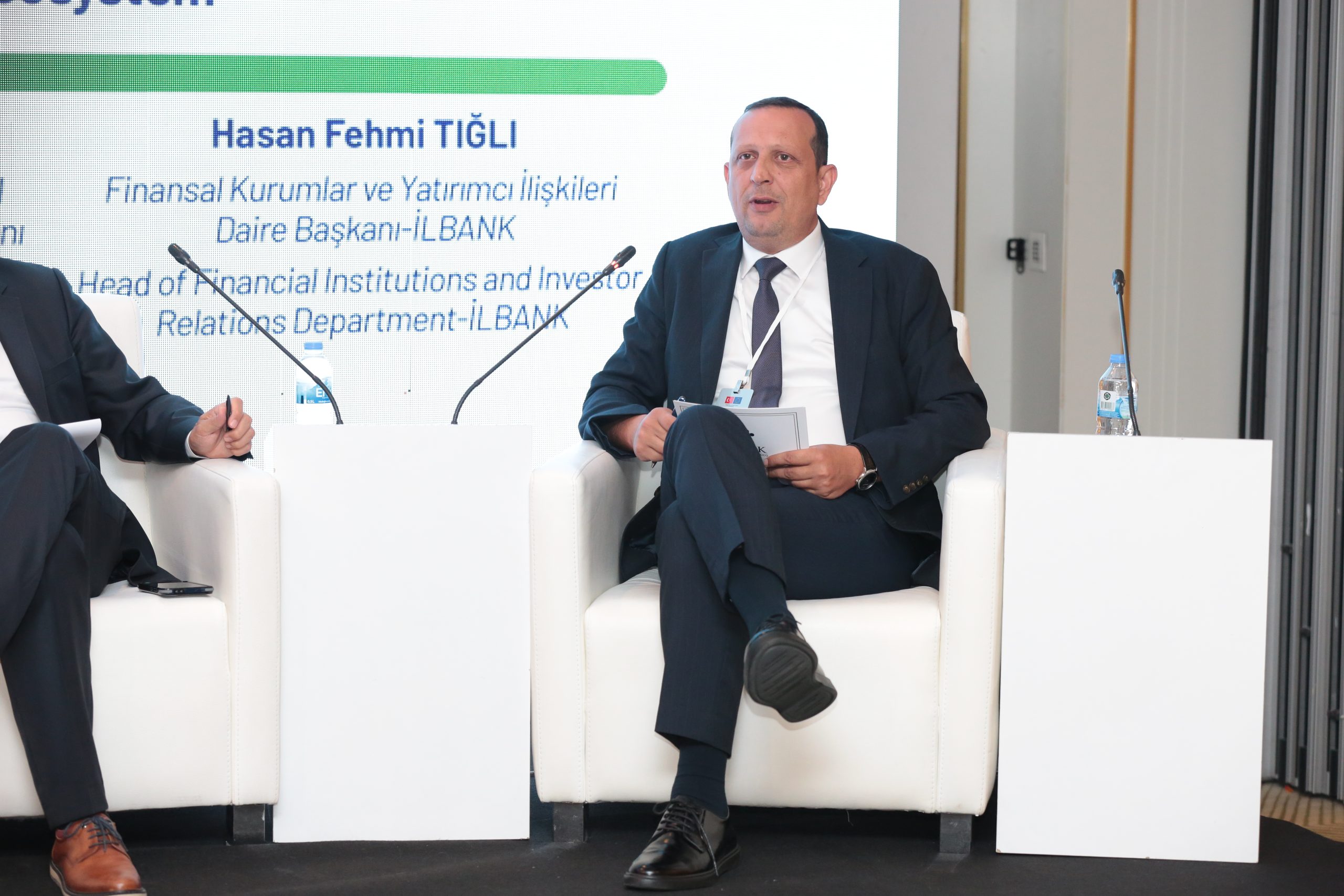
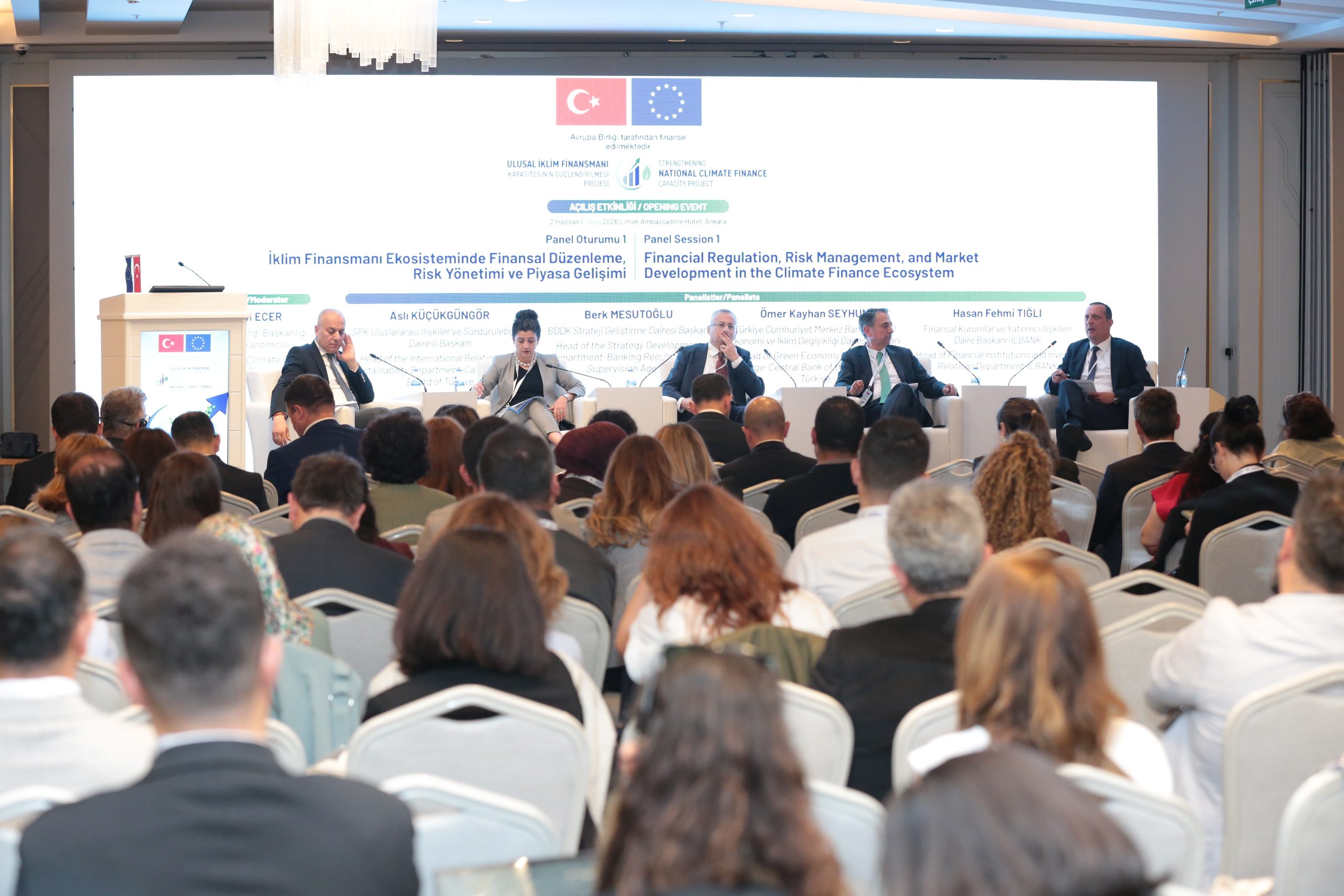
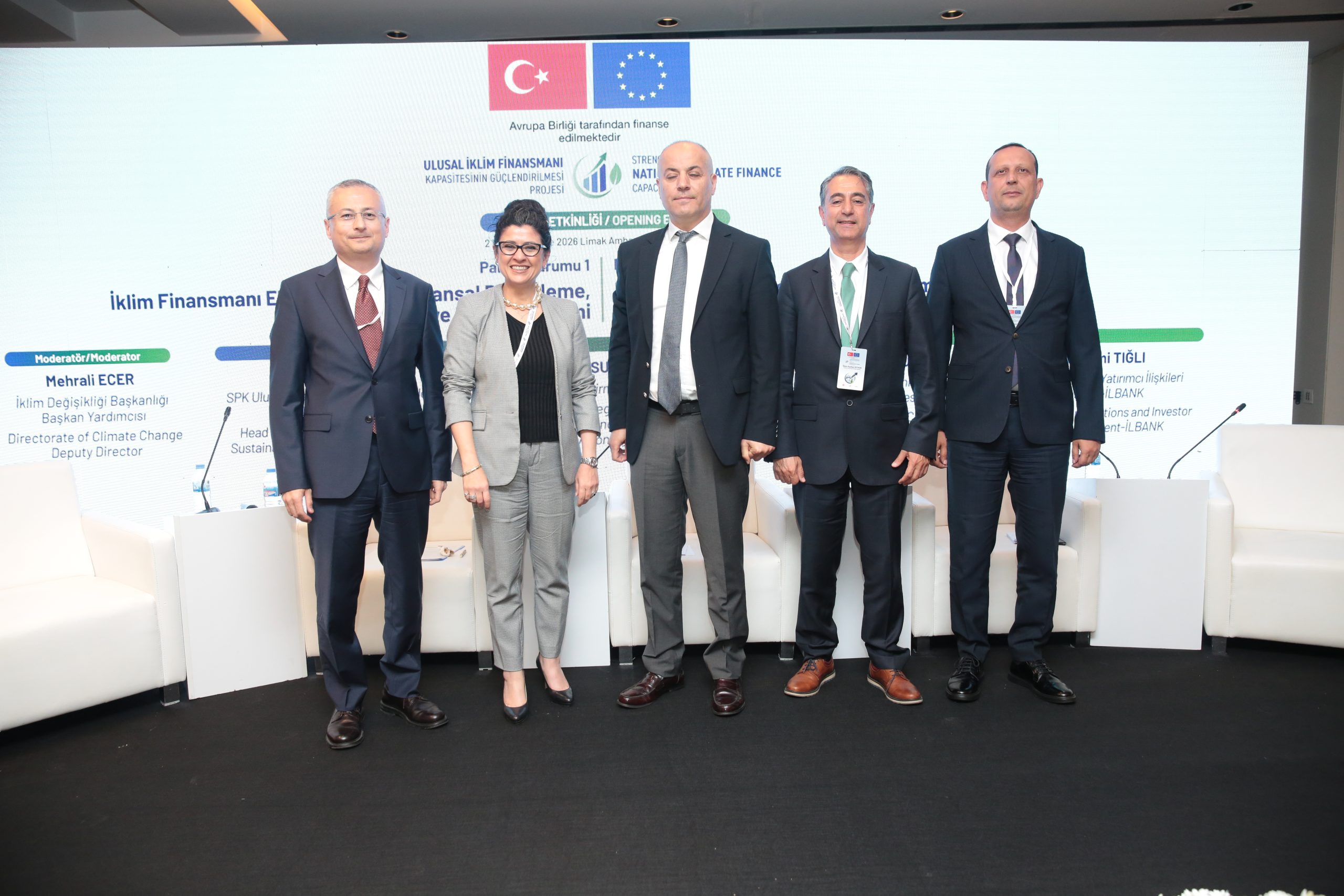
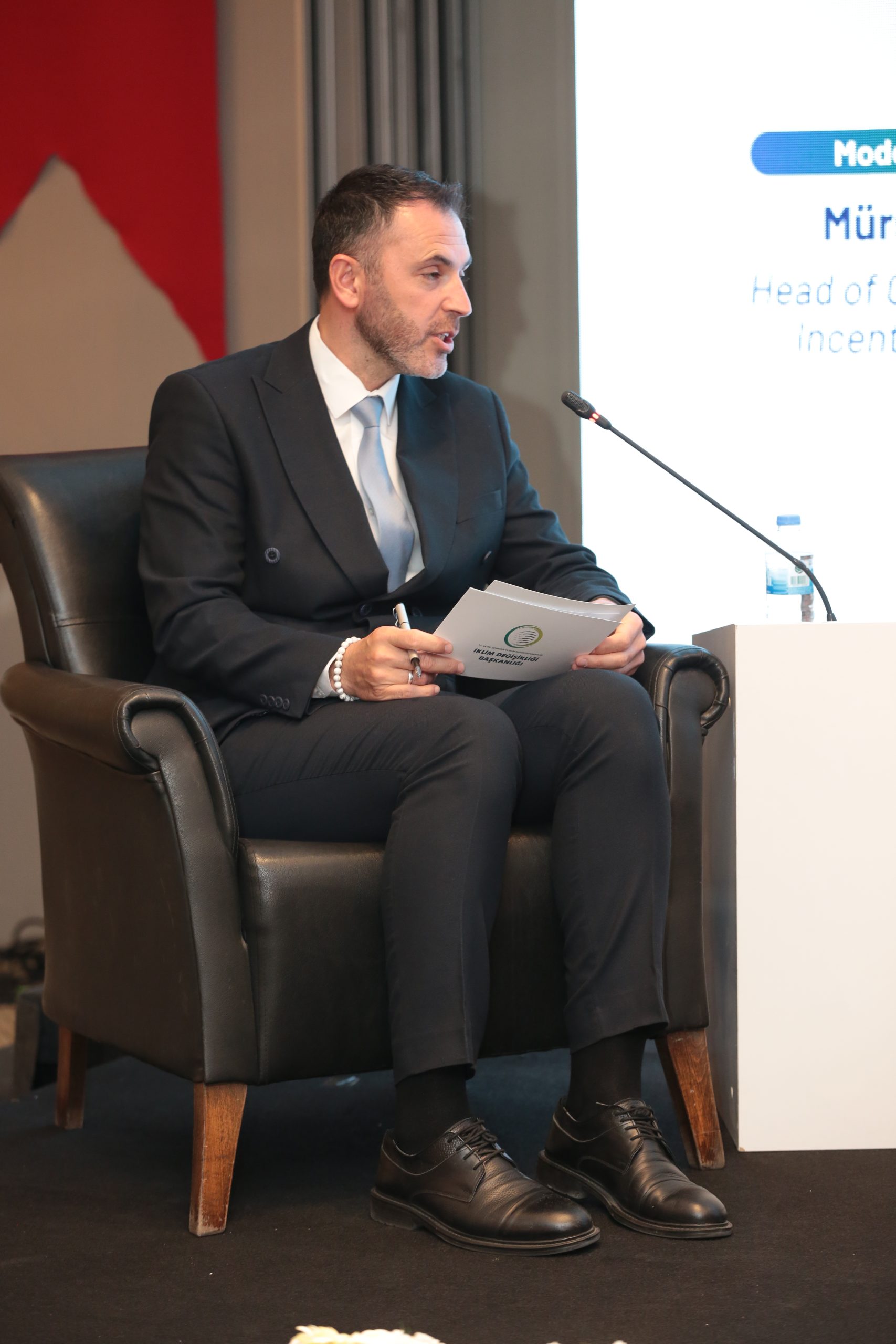
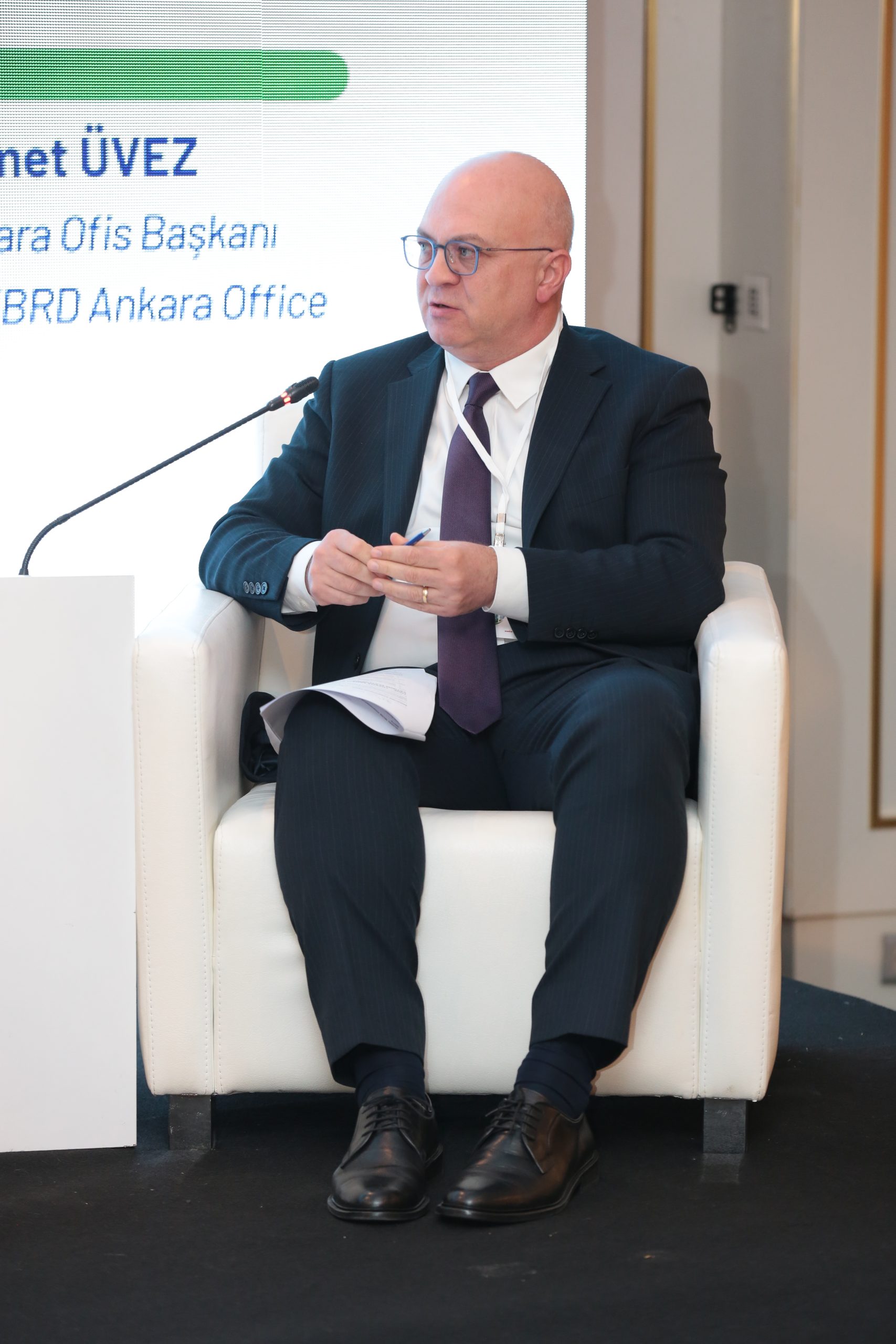
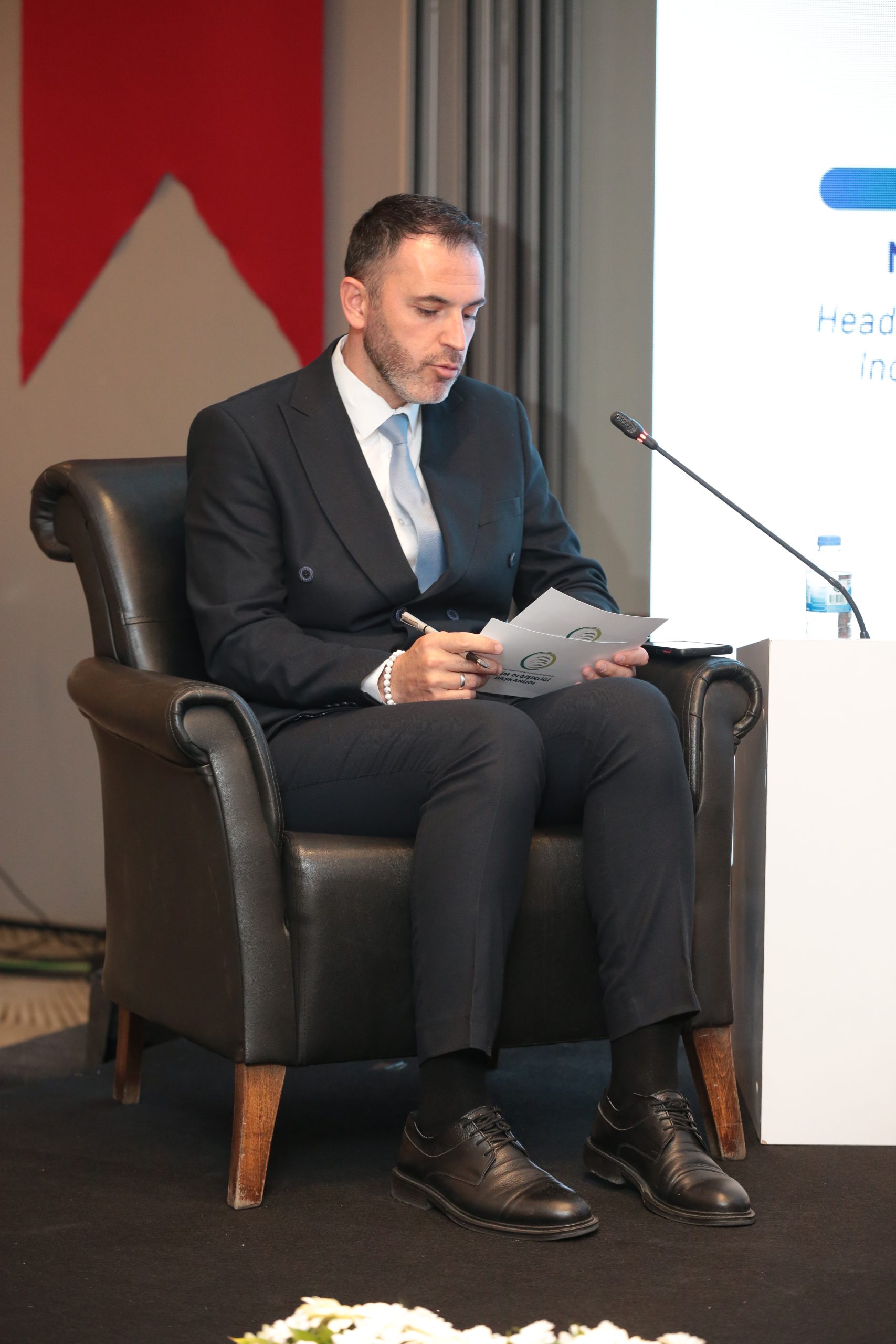
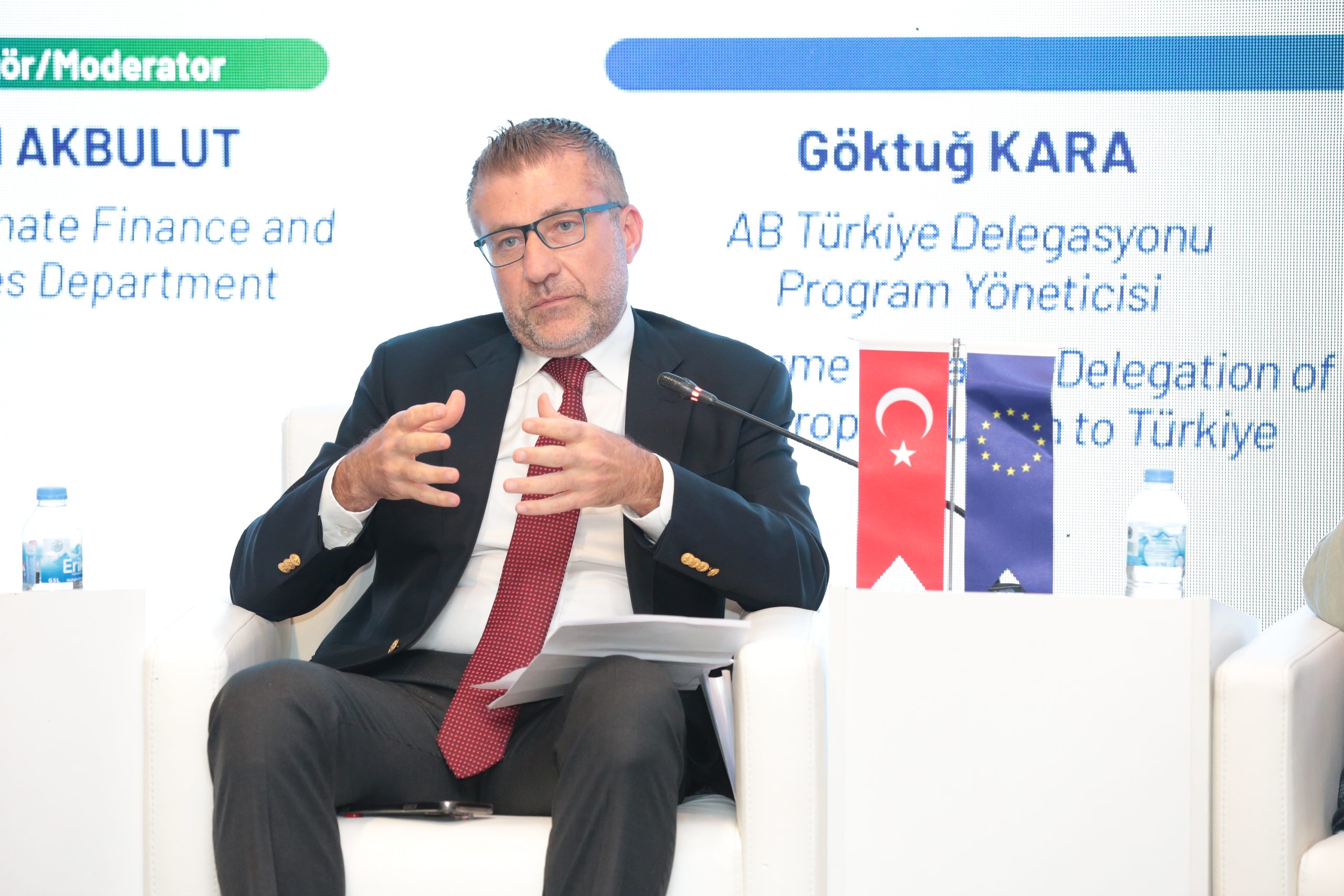
During the first panel held as part of the event, under the title “Financial Regulation, Risk Management, and Market Development in the Climate Finance Ecosystem,” sustainable finance instruments, green bond and sukuk applications, climate risk management in the banking sector, green credit products, and insurance and risk transfer mechanisms were discussed.
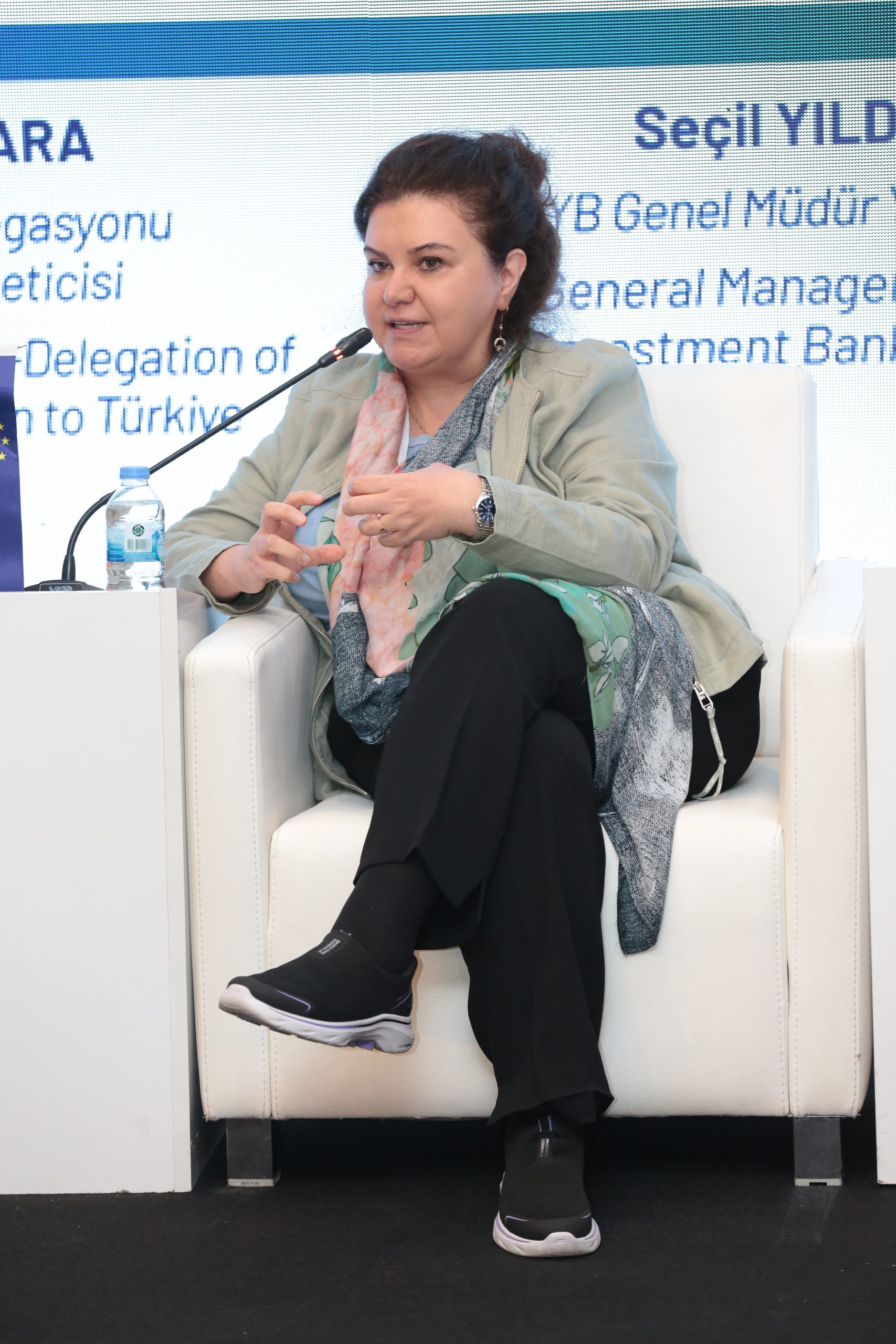
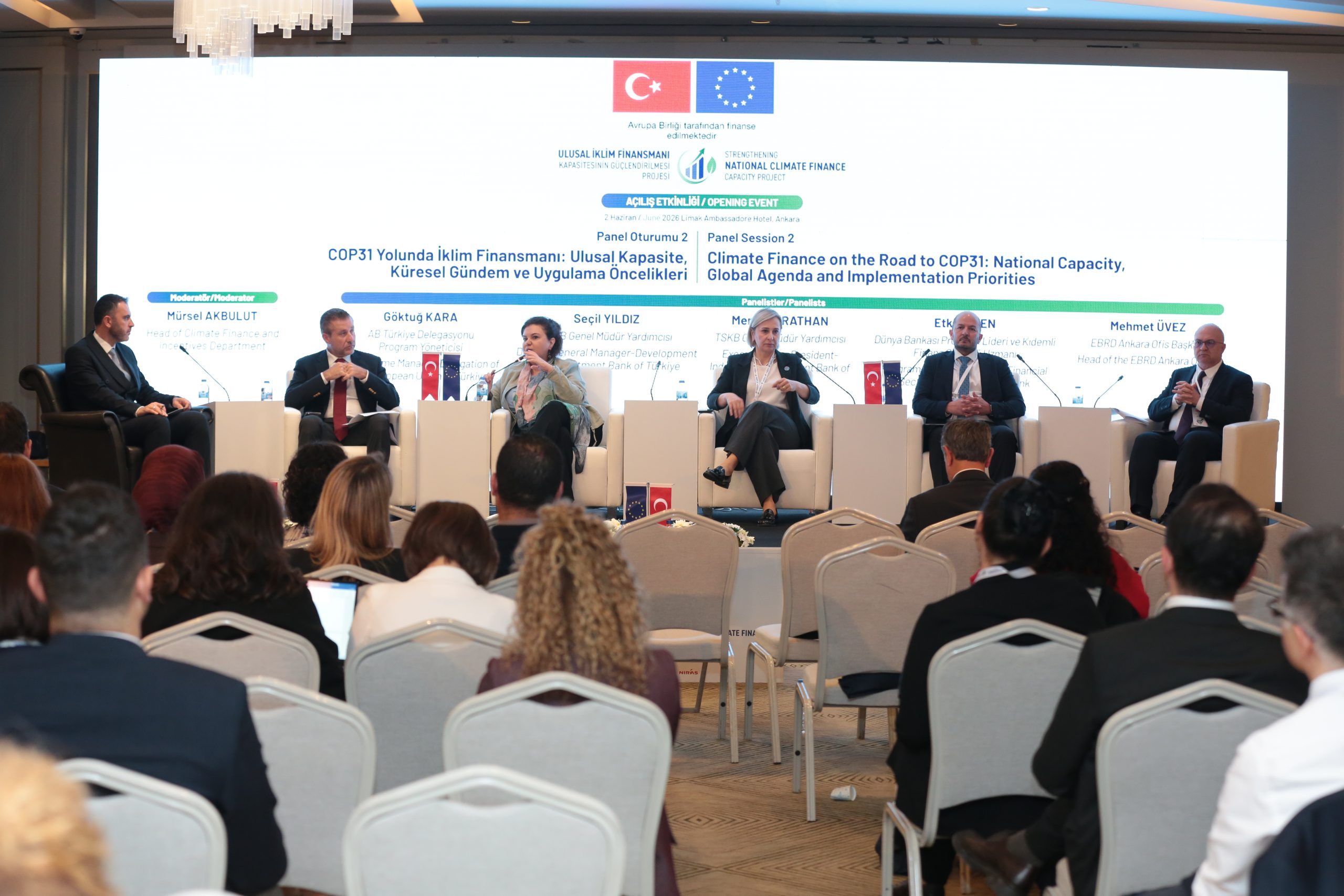
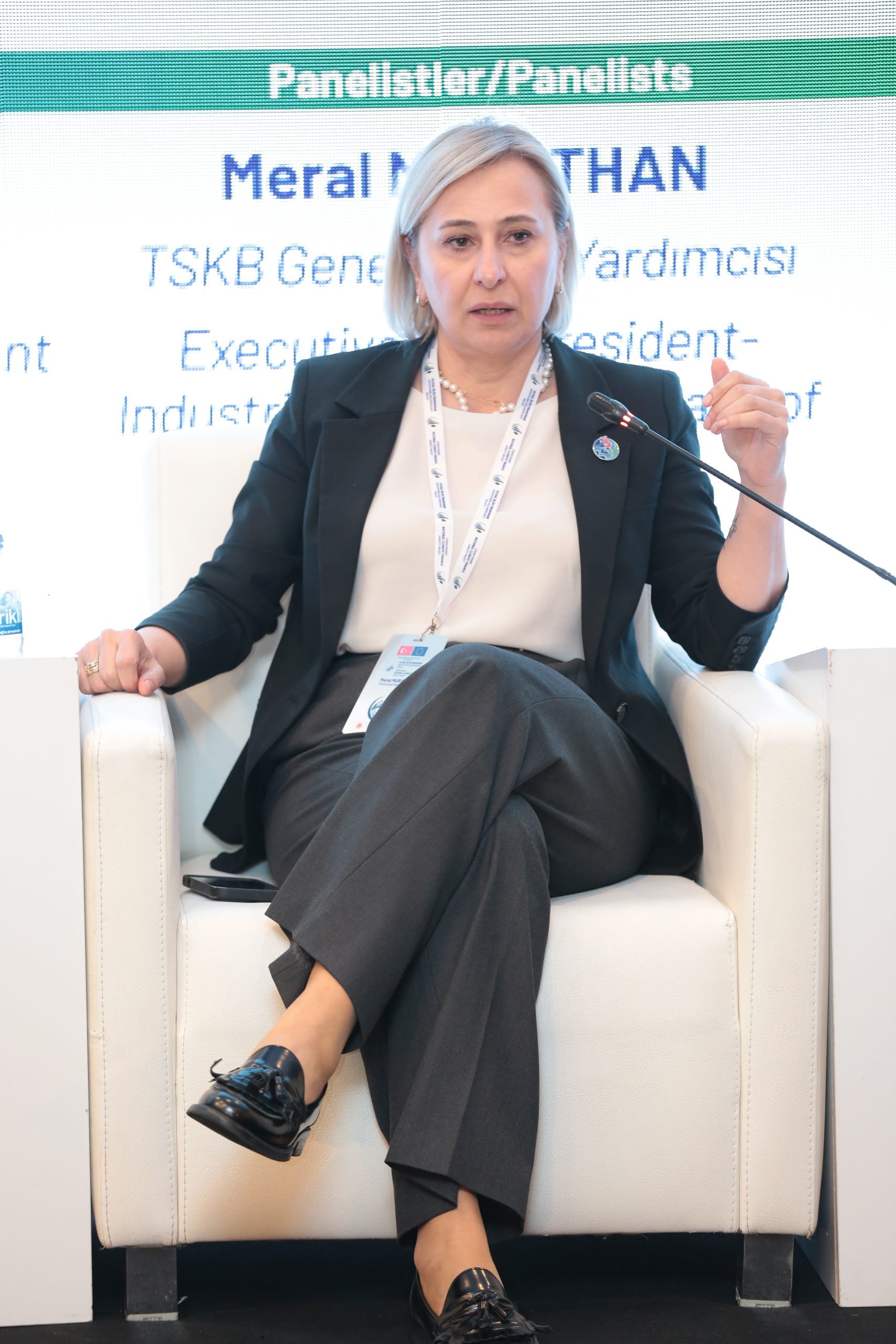
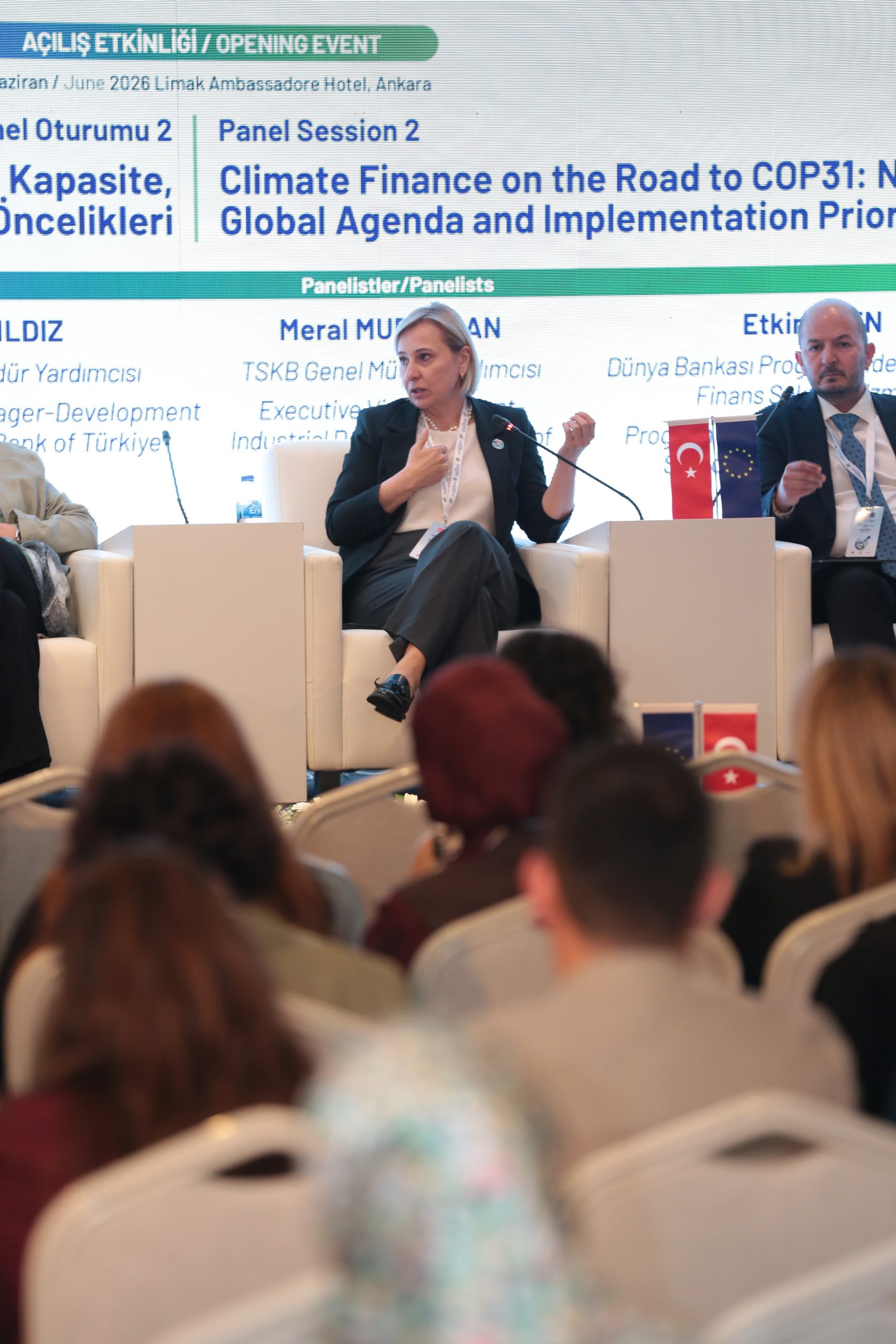
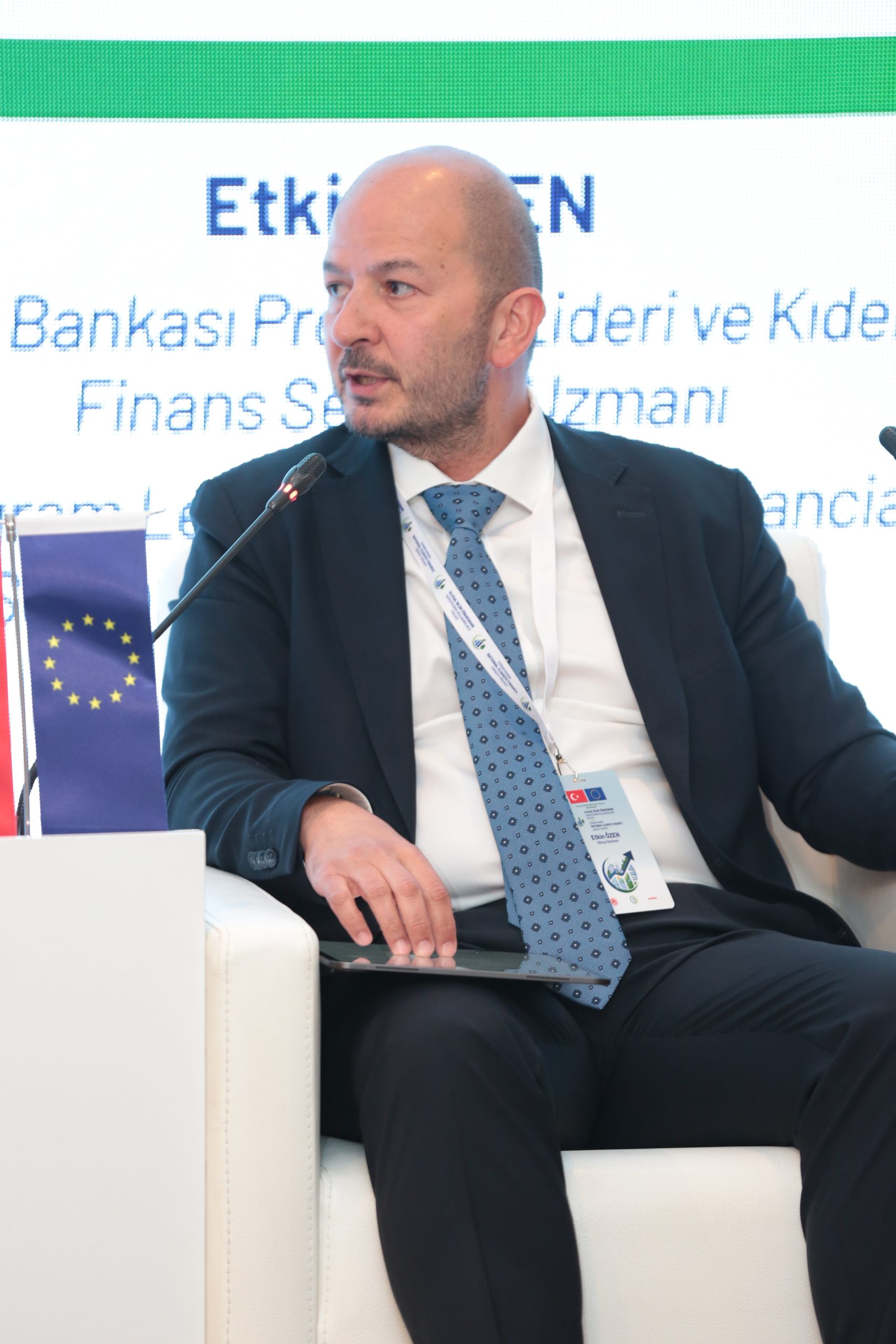
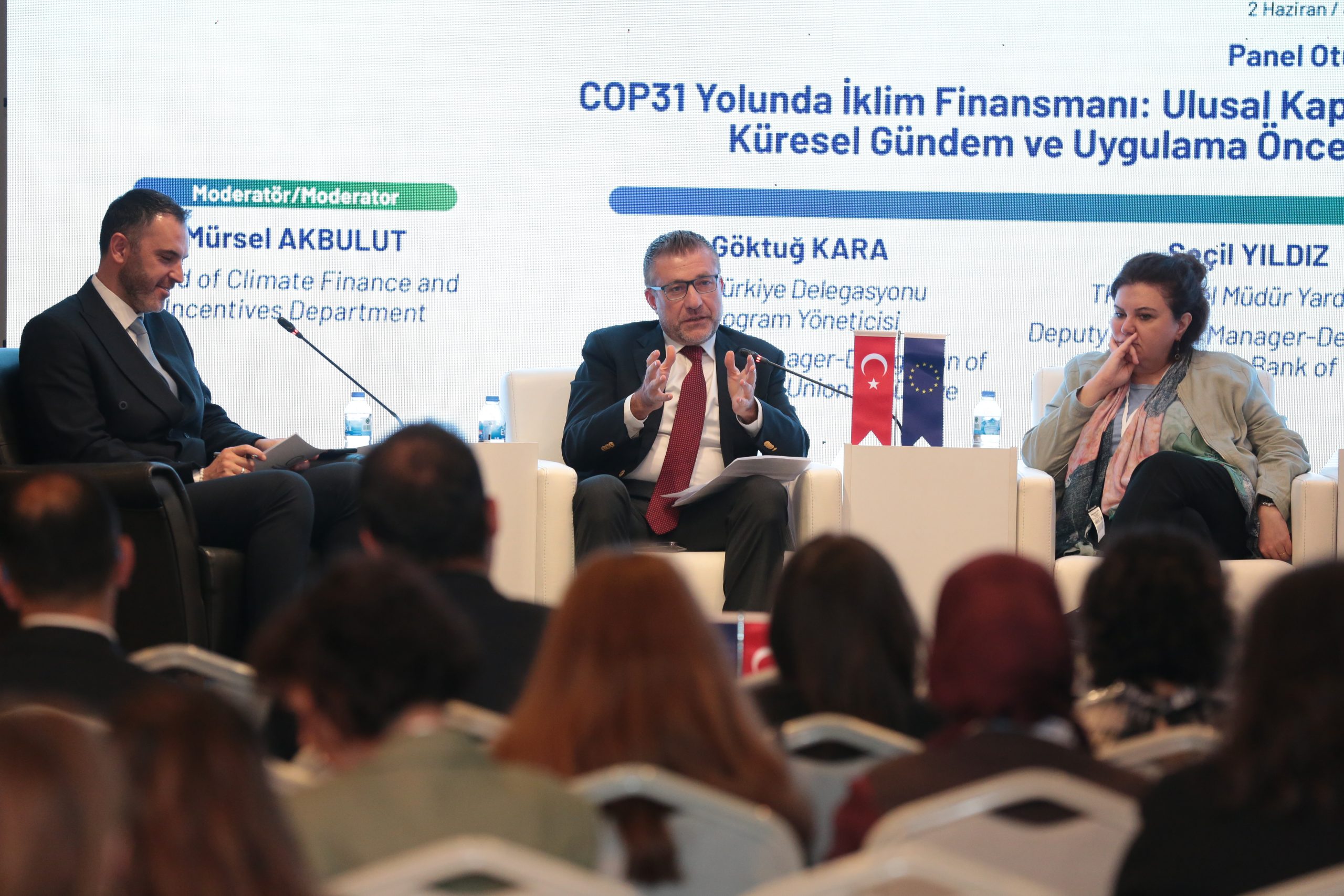
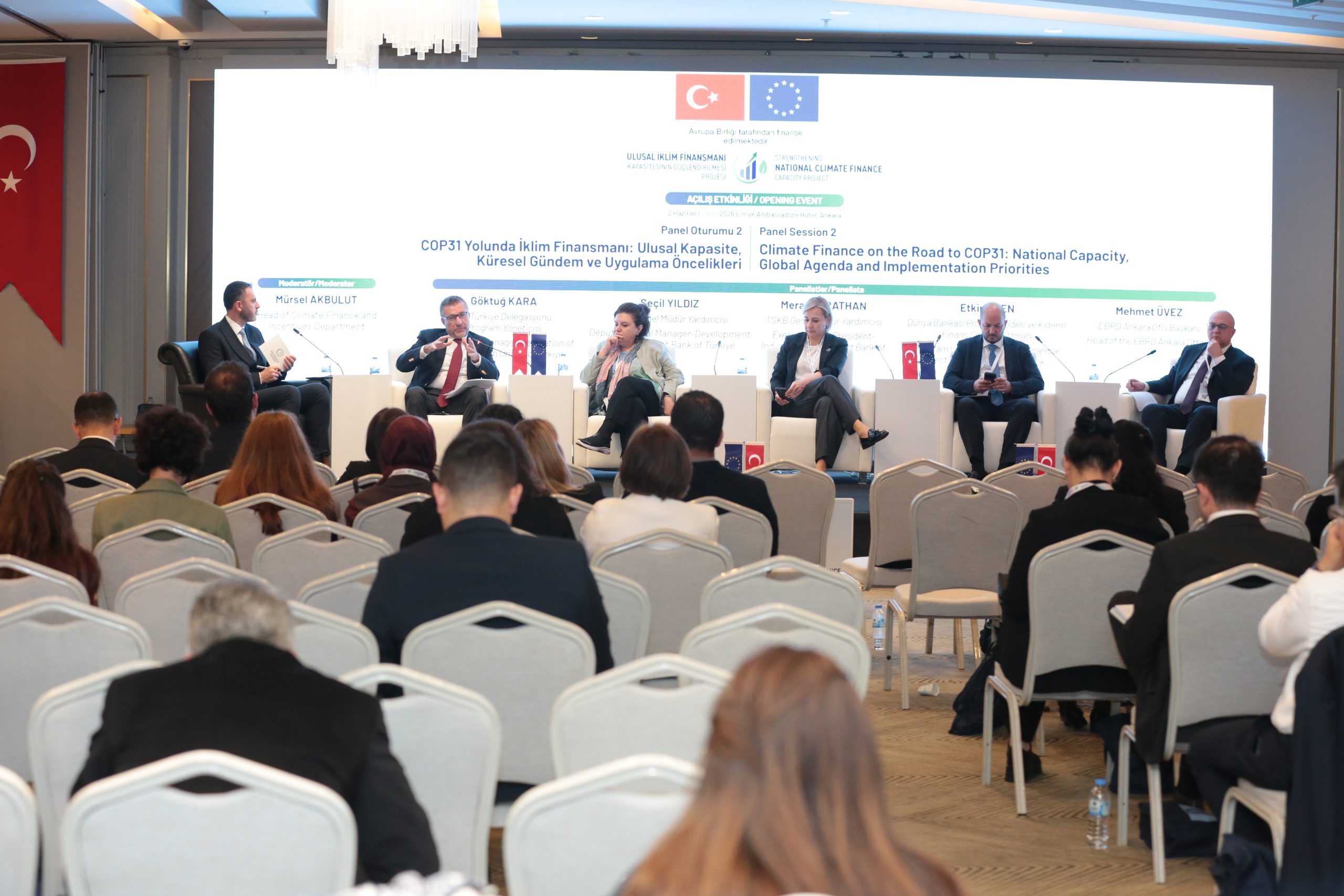
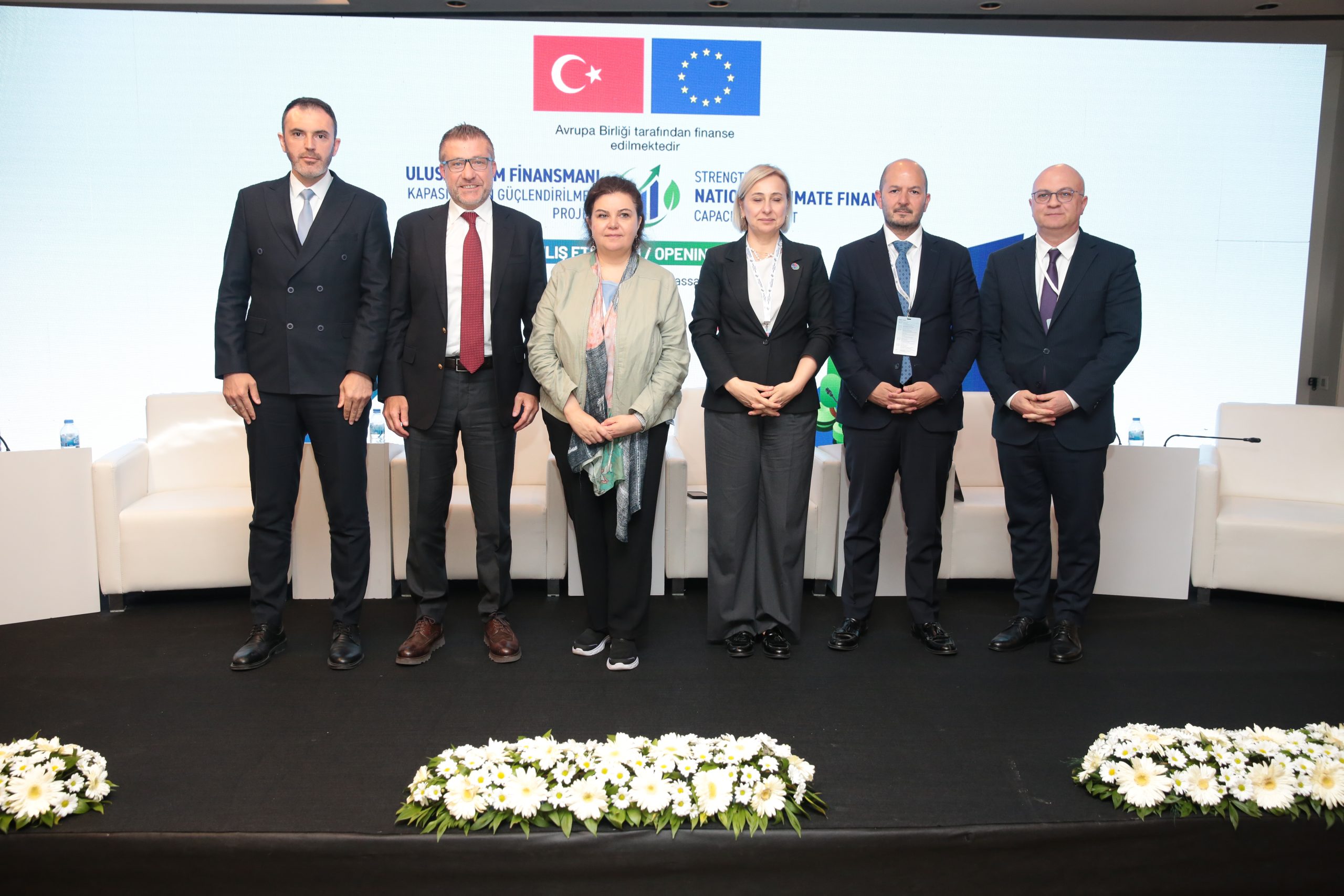
The second panel, titled “Climate Finance on the Path to COP31: National Capacity, Global Agenda, and Implementation Priorities,” addressed public finance, international financing sources, investment and project financing, and technical support mechanisms.
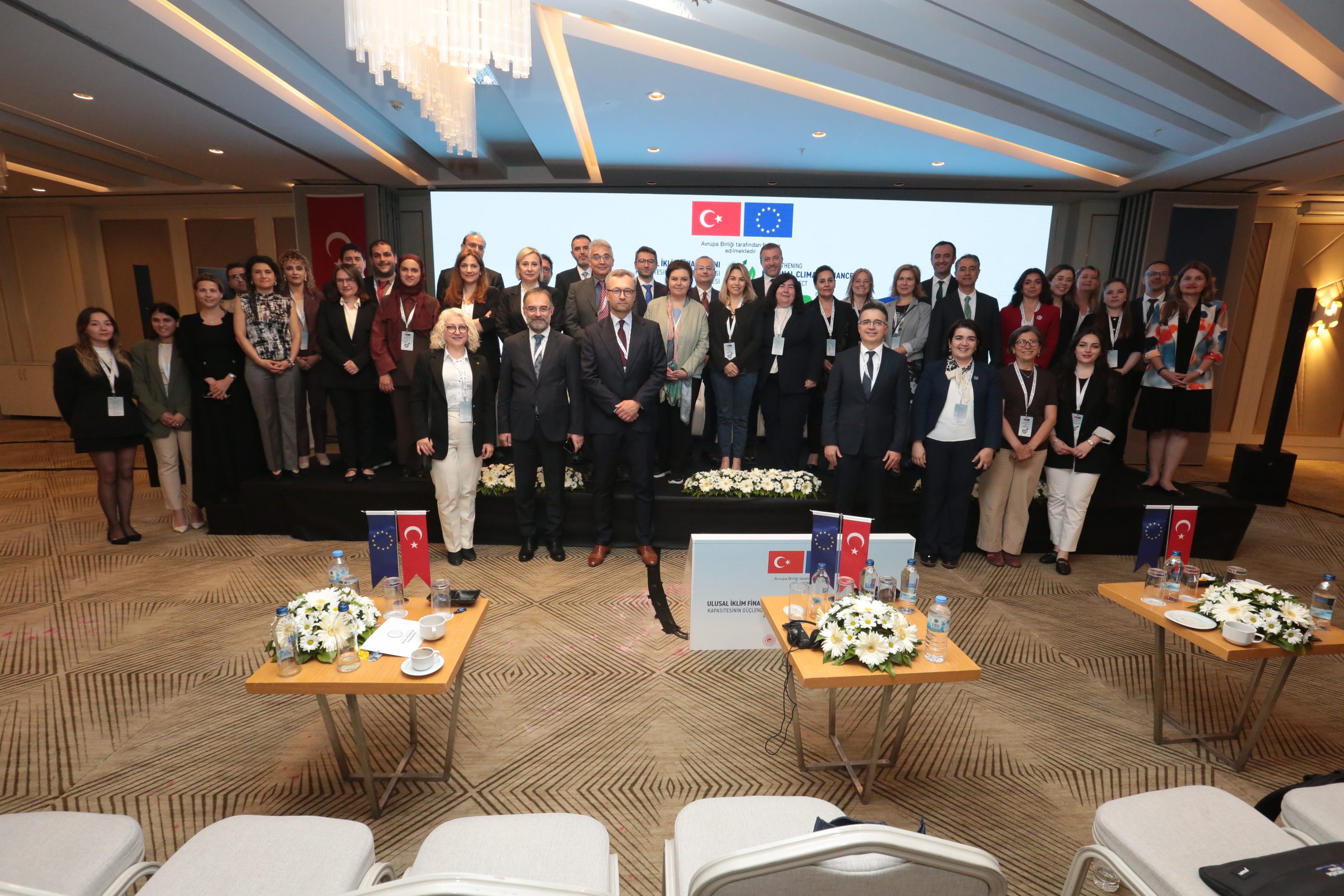
The opening ceremony brought together representatives from public institutions, the financial sector, international organizations, the private sector, academia, and civil society, providing a significant platform for the development of Türkiye’s climate finance ecosystem.